




An Inguinal Hernia Doesn't Mean You Have to Stop Doing Everything You Love
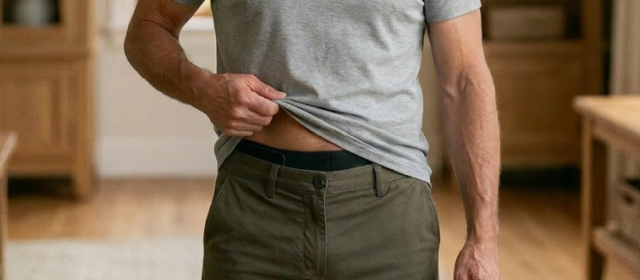
If you're living with an inguinal hernia, the right hernia belt can make a huge difference in how comfortably and confidently you stay active.
If you've been diagnosed with an inguinal hernia, you probably remember the conversation.
Maybe you were told to avoid heavy lifting or straining. Maybe surgery was recommended. Maybe you're waiting months for a procedure, or you've decided to manage your hernia without surgery.
What are you supposed to do in the meantime?
You still have a life to live.
You have work to do. Places to go. Maybe you exercise, golf, hike, surf, ride a bike, work in the yard, travel, or spend most of the day on your feet.
Having a hernia doesn't suddenly make you want to stop doing all of those things.
That's where a hernia support belt can be incredibly useful. A properly fitted belt can apply gentle, consistent pressure over a reducible inguinal hernia to help keep it in place while you're moving through your day.
The problem is that actually wearing most traditional hernia belts while doing those things is another story.
Why "Just Wear a Hernia Belt" Isn't Always That Simple
When I first developed an inguinal hernia, I wanted to keep doing the things I enjoyed: surfing, training Muay Thai, riding motocross, running on the beach, working, traveling, and just living my normal life.
So naturally, I started looking for something that would give me support while I did it.
What I found were mostly traditional medical-style trusses with thick pads, bulky straps, metal buckles, and hardware.
They may have provided support, but they weren't designed for the way I wanted to live.
I didn't want something I had to take off every time I went in the water.
I didn't want a bulky pad sticking out underneath my clothes.
I didn't want metal buckles setting off the metal detector at the airport when I traveled.
And I definitely didn't want to spend the rest of my day constantly thinking about the fact that I was wearing a hernia belt.
I wanted something I could put on in the morning and forget about.
Something comfortable enough to wear all day. Low-profile enough to disappear under my clothes. Secure enough to stay where I put it when I moved. And versatile enough that I could wear it surfing just as easily as I could wear it sitting at my desk.
I couldn't find it.
So eventually, I had to make it for myself.
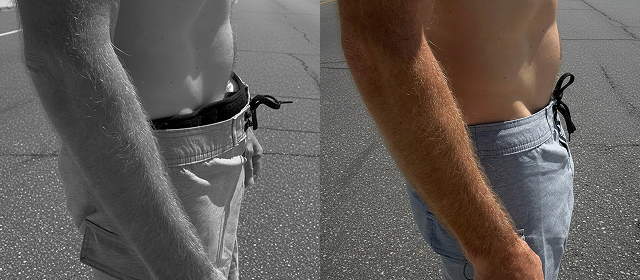
I Didn't Set Out to Start a Hernia Belt Company
At first, I was just trying to solve my own problem.
I experimented with different materials, shapes, and designs, trying to make something that would provide the support I needed without all the bulk and hardware that came with a traditional truss.
It took a lot of trial and error.
What I eventually came up with looked very different from the hernia belts I had tried before.
Instead of a thick, rigid belt with bulky pads and metal hardware, I made the entire belt out of a single piece of soft, flexible, breathable neoprene. I kept the design as simple and low-profile as possible and used Velcro so I could adjust the fit and position the support exactly where I needed it.
Most importantly, I made something that worked with my life instead of getting in the way of it.
I could wear it directly against my skin underneath my clothes. I could surf in it. I could train in it. I could travel with it. I could leave it on when I used the bathroom.
And because it was comfortable and stayed in place, I could put it on in the morning and go about my day without constantly thinking about my hernia.
That first homemade belt eventually became Comfort-Truss.

Me surfing while wearing the original Comfort-Truss.
It Turns Out I Wasn't the Only One Looking for This
Once other people with inguinal hernias started trying the belt, I realized that the problems I had been trying to solve for myself weren't unique to me.
Other people wanted to stay active too.
They wanted to work out, golf, hike, travel, ride motorcycles, work physical jobs, lift their kids, spend time in the water, or simply get through a normal day without a bulky medical device constantly reminding them that they had a hernia.
Over time, Comfort-Truss grew from the belt I made for myself into something worn by over 56,000 people dealing with the same problem.
And the basic idea behind it hasn't changed:
Give the hernia the support it needs without unnecessarily getting in the way of the life you want to live.



Real Comfort-Truss customers getting back to the lives they want to live.
What Makes Comfort-Truss Different?
A lot of what makes Comfort-Truss different comes directly from the problems I was trying to solve for myself.
It's Designed to Disappear Under Your Clothes
Comfort-Truss is worn directly against your skin, underneath your underwear.
That lets it sit close to your body and apply pressure directly where it's needed, without layers of clothing getting between the belt and your hernia.
It also means you can use the bathroom without taking the belt off, and the low-profile design makes it much less noticeable underneath any clothing, even if it's tight-fitting.
One customer described it simply:
— Mark M., verified Comfort-Truss customer
You Can Wear It in the Water
This was a big one for me personally.
I surf, so a hernia belt I had to remove every time I got in the water wasn't going to work.
Comfort-Truss can be worn while swimming, surfing, paddleboarding, kayaking, or doing just about anything else in the water. You can even leave it on in the shower.
There's no need to plan your day around when you can and can't wear your belt.
No Metal Buckles or Hardware
The Comfort-Truss design uses Velcro rather than the metal buckles, rings, and hardware commonly found on traditional trusses.
Besides keeping the belt simple and low profile, this means there's no metal hardware digging into you while you're moving around.
It also means I could walk through airport security wearing my Comfort-Truss without worrying about a metal buckle setting off the detector.
Adjust It Where You Need the Support
Instead of giving you a handful of predetermined adjustment points, the entire outside layer of the belt is the loop side of the Velcro, which allows the waist and leg straps to attach in an unlimited range of positions.
That gives you much more control over the fit and lets you position the support where it works best for your body.
The standard support pad can also be swapped for a thicker pad if you find that you need additional pressure, without having to buy another belt.
It's Made to Move With You
This may be the biggest difference of all.
Comfort-Truss wasn't designed around sitting still.
The flexible, breathable neoprene construction moves with your body, while the leg strap helps keep the support positioned over the hernia as you bend, walk, work, exercise, or participate in the activities you enjoy.
That's what I wanted from the beginning:
A hernia belt that supports an active life instead of getting in the way of it.
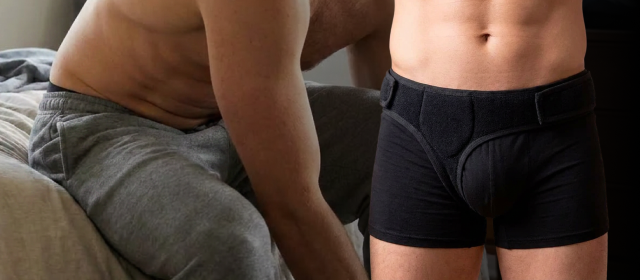
Shown over underwear for illustration. Comfort-Truss is designed to be worn directly against the skin, underneath your clothing.
But Don't Just Take My Word for It
I wore Comfort-Truss myself for years, so I know what it did for me.
But what's been even more rewarding is hearing from other people who are using it to keep doing the things that matter to them.
The Minimalist Single-Side Comfort-Truss alone has more than 2,200 customer reviews, with an average rating of 4.7 out of 5 stars.
And when you read through those reviews, you see many of the same things come up again and again: comfort, staying in place, being able to wear it all day, and having something that doesn't feel like a bulky traditional hernia truss.
"I tried a few belts before I found this one. The others were hard, uncomfortable, and cumbersome; causing awful sciatic pain. This one is like a second skin. Soft and form fitting, at times I forget I'm even wearing it. I am back to my active life. Highly recommend."
"I already had the lighter version but the heavy duty one is just as comfortable and can be worn under shorts without it being noticeable."

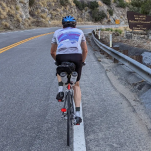
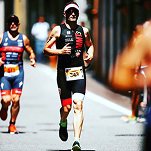

Real Comfort-Truss customers staying active and doing the things they love.
These are the kinds of stories I had hoped for when I first started making Comfort-Truss.
Not because everyone with an inguinal hernia is going to use it the same way I did, but because the whole point was to give people a practical way to support their hernia while continuing to live their life.
Which Comfort-Truss Is Right for You?
One of the questions we get all the time is: "Which Comfort-Truss should I get?"
There are four versions, but choosing between them is actually pretty simple.
You really only need to answer two questions.
1. Minimalist or Heavy Duty?
This comes down to how much support you need and how minimal you want the belt to feel.
The Minimalist is where I recommend most people start.
It's made from 3mm breathable neoprene and is the lowest-profile, most flexible version we make.
This is also the version I personally wore.
I've always wanted the absolute minimum amount of belt necessary to keep my hernia supported while allowing me to do everything I wanted to do, and the Minimalist did that for me.
If your hernia is relatively easy to hold in, and your priority is having something as light, flexible, and discreet as possible, I'd start there.
The Heavy Duty is for people who need more support or durability.
It's made from 6mm breathable neoprene, twice the thickness of the Minimalist, and has reinforced edging and heavier-duty Velcro attachments.
That gives it a more substantial feel and additional support while still maintaining the same basic Comfort-Truss design.
Some people start with the Minimalist and find that it's all they need. Others have a hernia that pushes out with more force, participate in more demanding activities, or simply prefer the additional support of the Heavy Duty.
Neither one is "better."
The goal is to use the least amount of belt that gives you the support you need for the way you live.
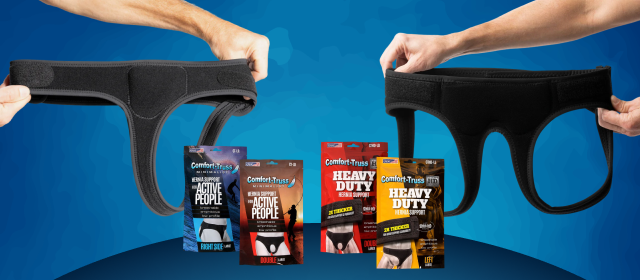
2. Single or Double?
This decision is even easier.
If you have an inguinal hernia on one side, the Single-Side belt provides targeted support directly over that side.
If you have inguinal hernias on both sides, the Double-Side belt provides support over both.
There are also people with a hernia on only one side who prefer the Double because they like the more balanced feel of having the same coverage and a leg strap on both sides.
Personally, I always chose the Single because I only have a hernia on one side and preferred to keep things as minimal as possible.
Again, there isn't a universally "better" choice.
It's about finding the combination of support, coverage, and minimalism that works best for you.
The Simple Version
You want the lightest, lowest-profile option and your hernia doesn't require a lot of pressure to keep it supported.
You need more support, want additional durability, or your hernia tends to push out with more force.
You have a hernia on one side and want the most targeted, minimal setup.
You have hernias on both sides, or you have a one-sided hernia but prefer the more balanced feel of support on both sides.


A Few Things to Know Before Choosing a Comfort-Truss
No.
A hernia belt doesn't repair the underlying hernia. Its job is to apply pressure over a reducible inguinal hernia to help keep it supported while you're going about your day.
That's what I originally designed Comfort-Truss to do, and it's still what it's designed to do today.
Yes. This is important.
Comfort-Truss is designed to be put on while your hernia is fully reduced, meaning the bulge is manually pushed back in with your hand.
If your hernia can't be fully reduced, a hernia belt isn't the right tool for the job.
Absolutely.
Although most of our customers are men, women wear Comfort-Truss too. Because men and women are built differently, we have separate fitting instructions to help women get the best fit and support from the belt.
That's exactly how I designed it to be worn.
When I needed to wear my Comfort-Truss, I put it on directly against my skin and wore it underneath my underwear. From there, I could work, exercise, travel, get in the water, use the bathroom, and go about my day without having to continually take it off and put it back on. I would wear it from the time I woke up in the morning, until I got in bed at night.
Like anything you wear against your body, getting the fit and positioning right matters. Once you have that dialed in, the goal is for Comfort-Truss to become something you barely think about.
Ready to Find Your Comfort-Truss?
Over 56,000 people have found a way to stay active and comfortable with an inguinal hernia. Find the right belt for your life.