


Minimalist vs. Heavy Duty Hernia Belt: Which Comfort-Truss Should You Choose?

If you're trying to decide between the Comfort-Truss Minimalist and Heavy Duty hernia belts, there's a pretty simple question I usually ask:
How much pressure does it take to push your hernia back in?
If your hernia feels fairly soft and is easy to push back in with your fingers, the Minimalist is usually where I'd start.
If your hernia feels firmer and takes more pressure to push back in, the Heavy Duty may be the better choice.
The difference isn't really about how active you are or whether you want the "stronger" belt. It's about how much support your particular hernia needs to stay reduced.
What's the difference between the Minimalist and Heavy Duty?
The biggest difference is the material and the amount of structure it provides.
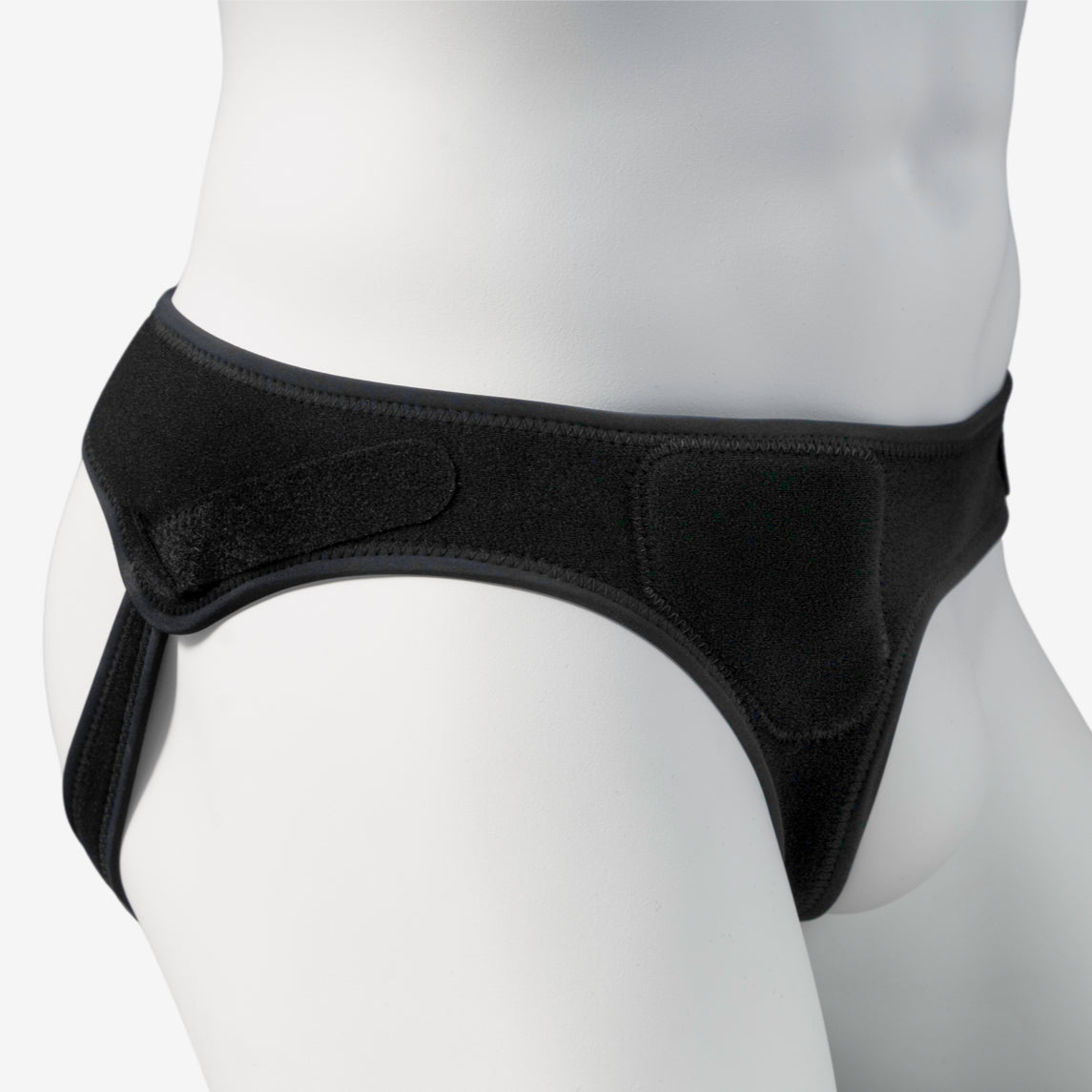
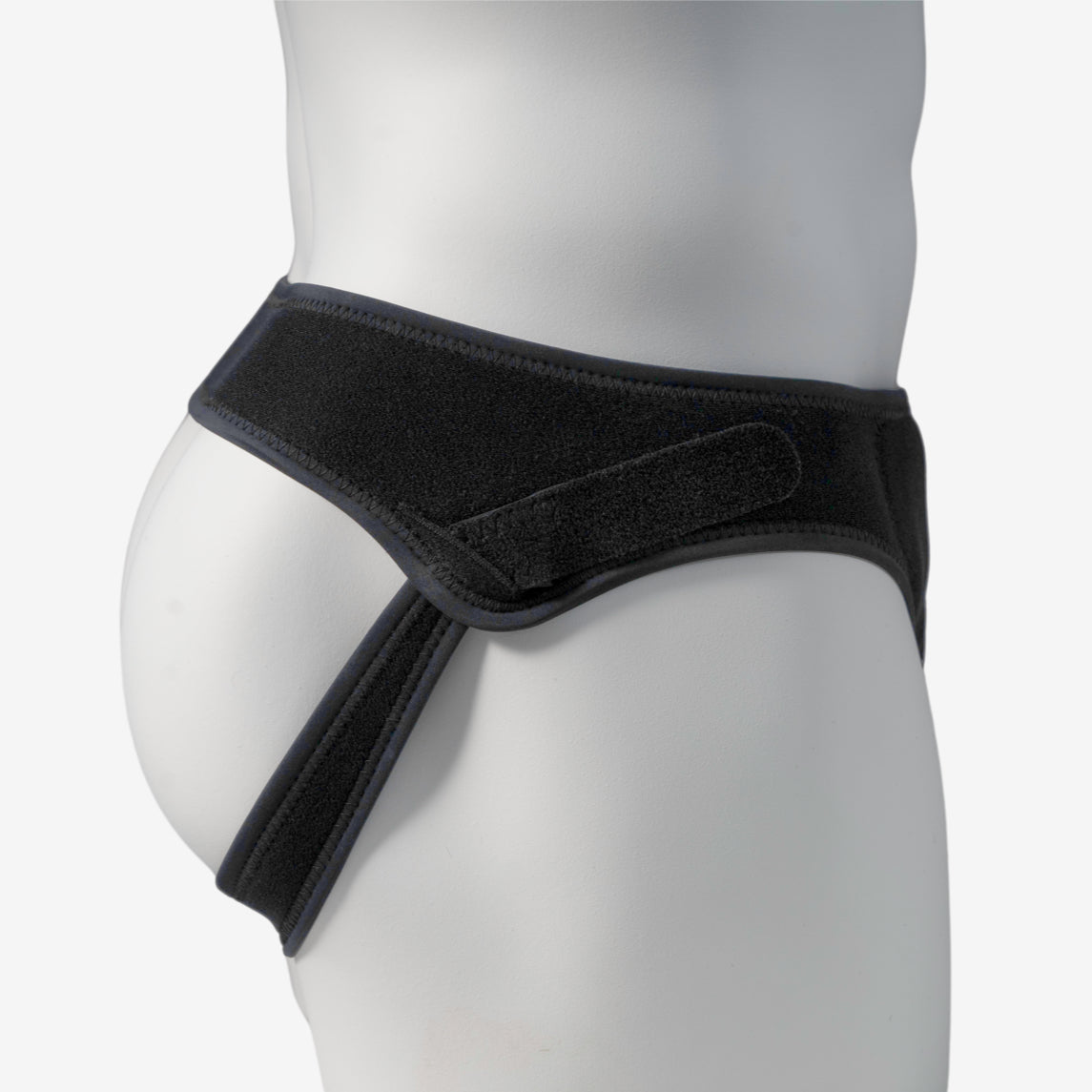
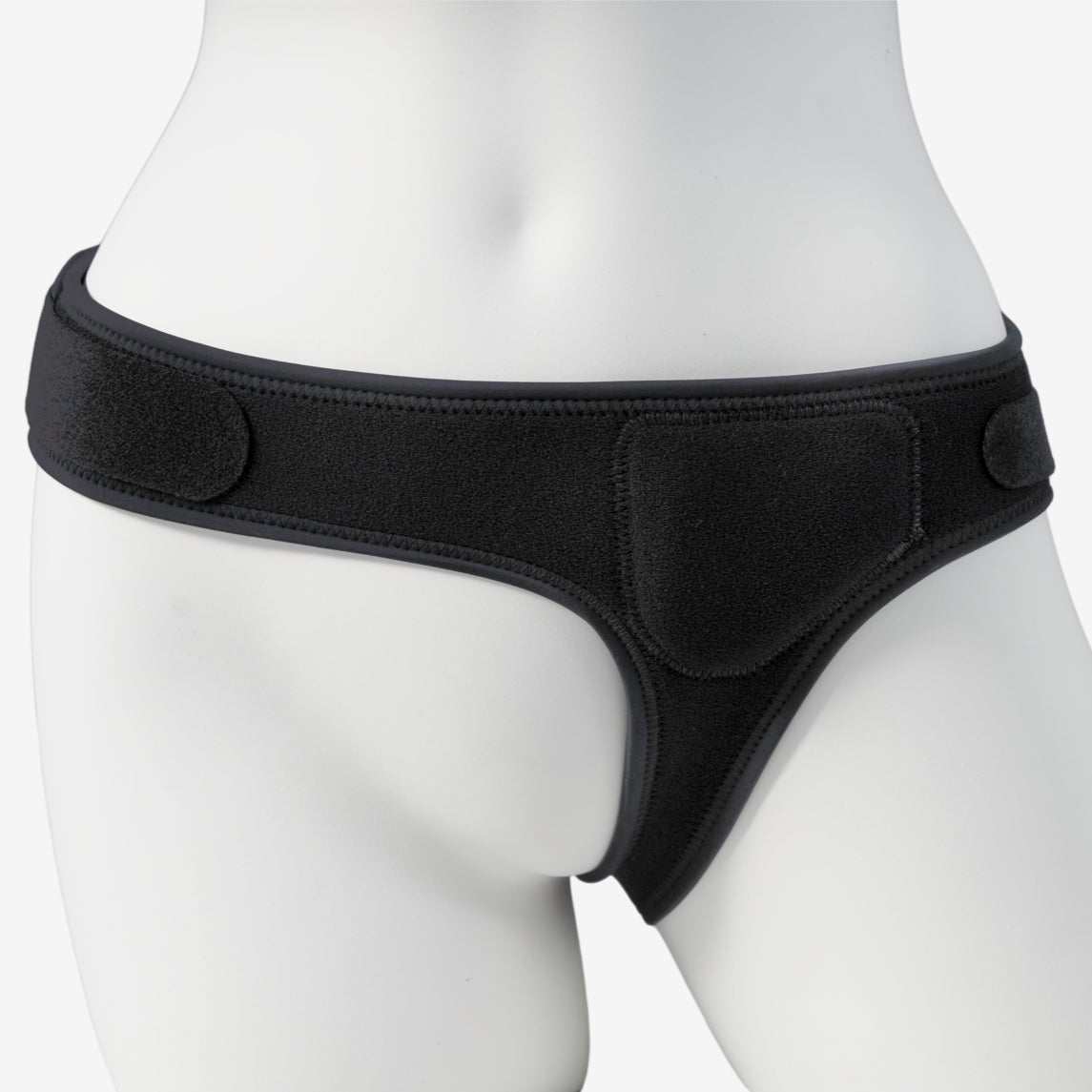
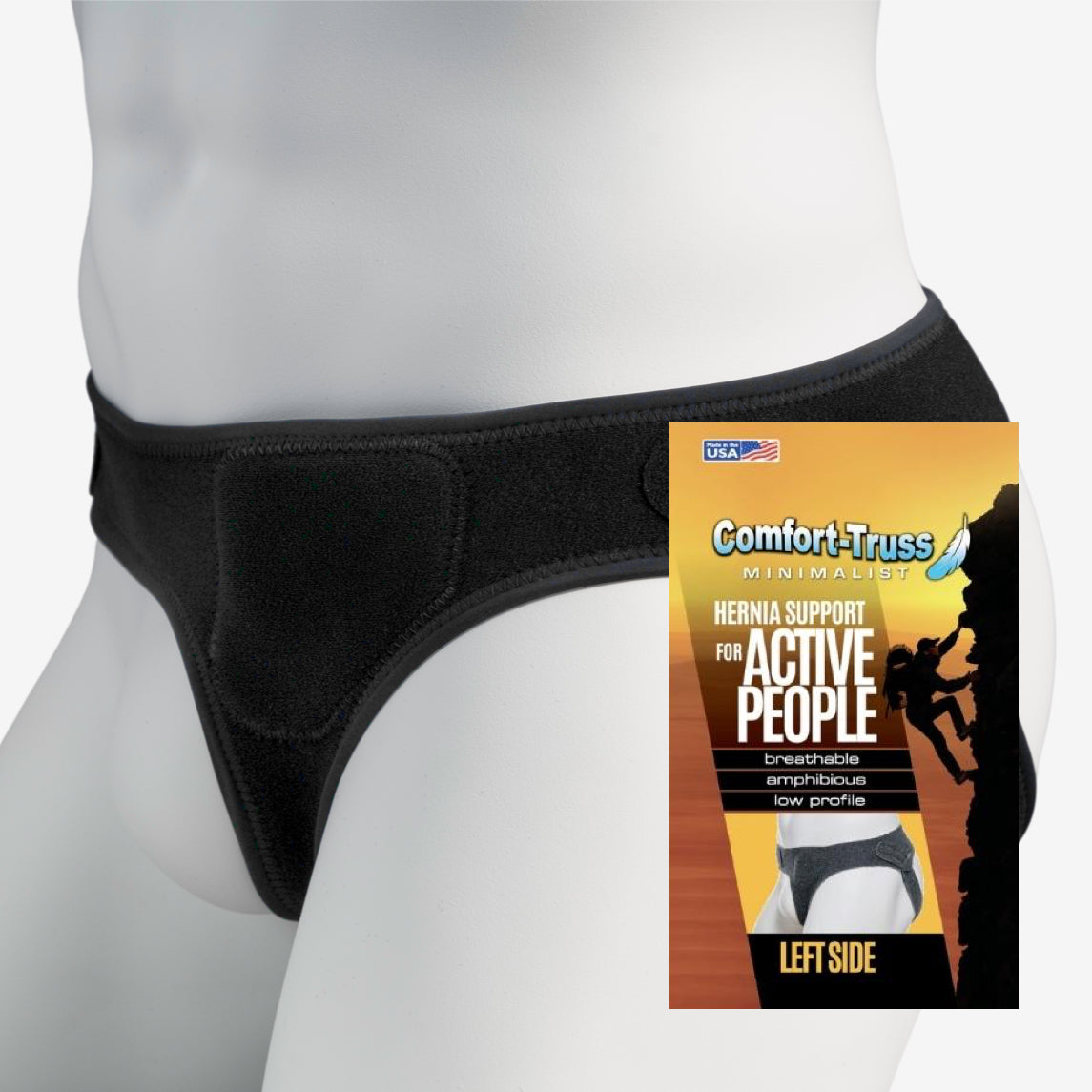
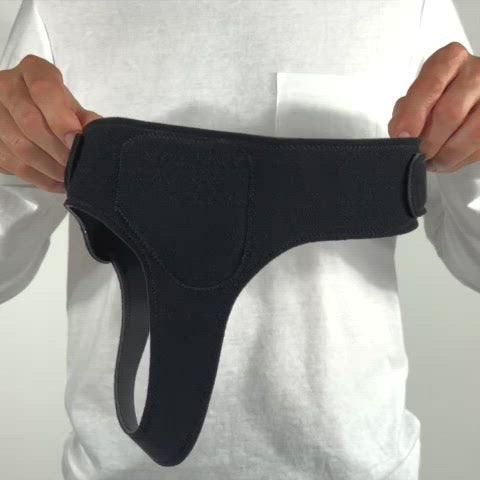
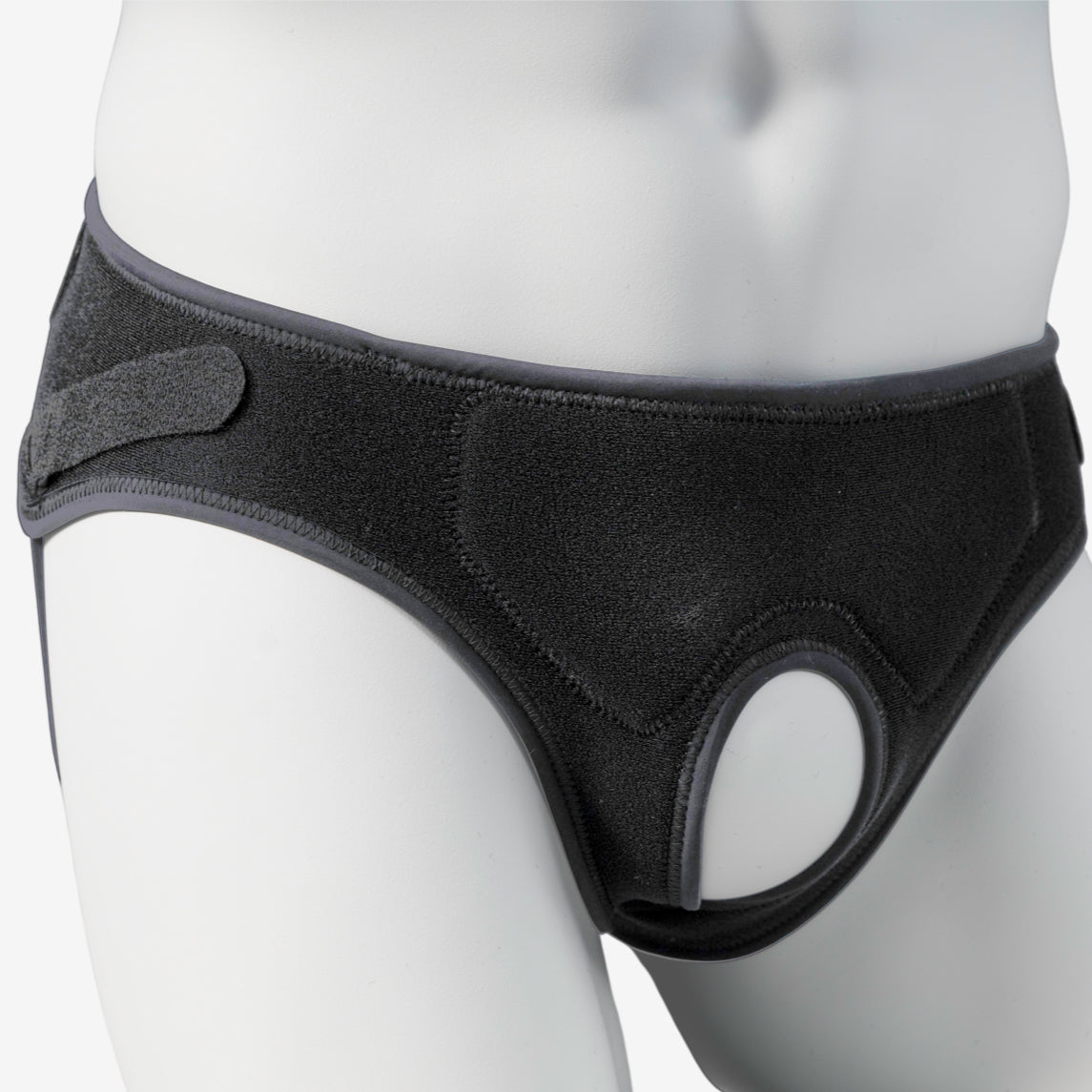
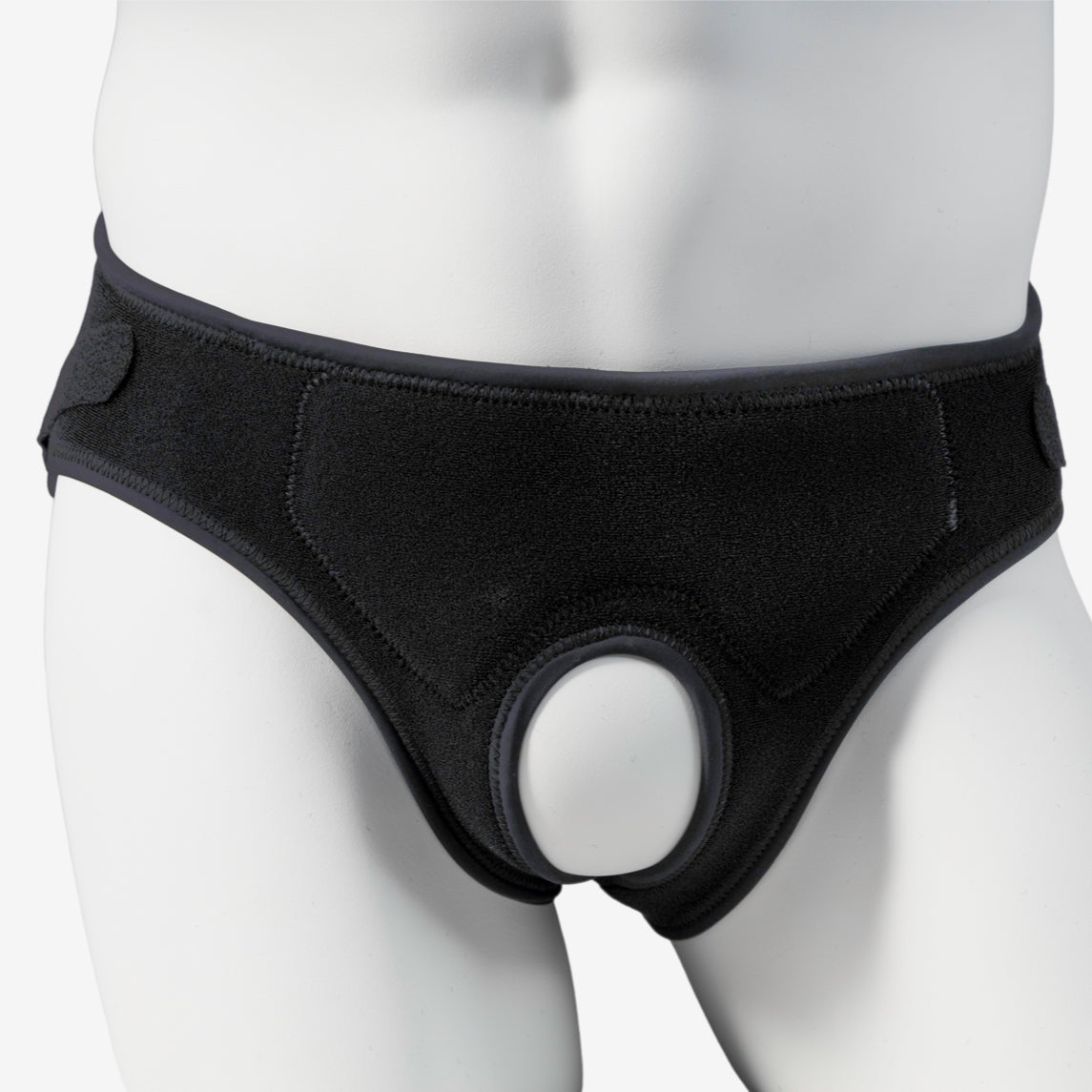
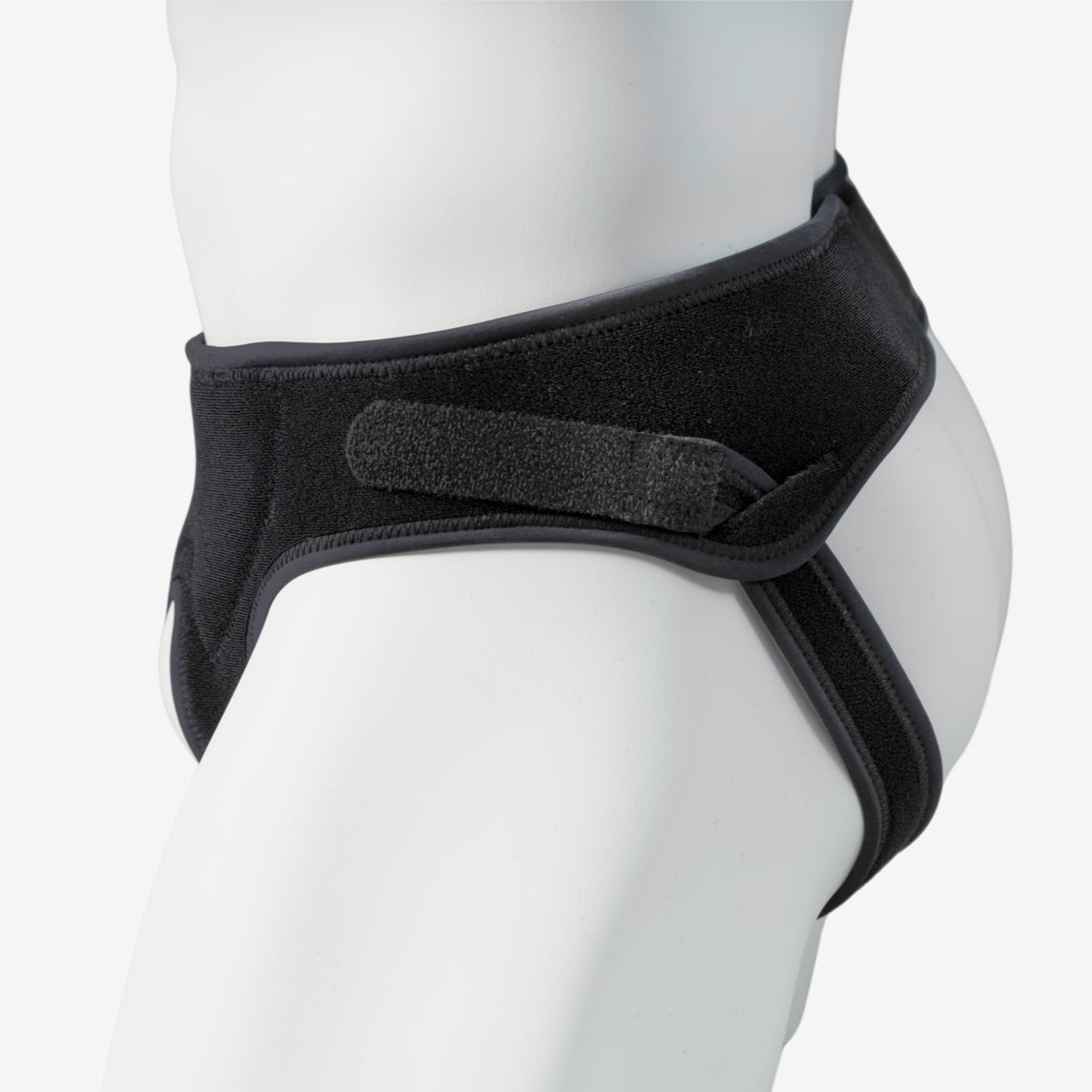
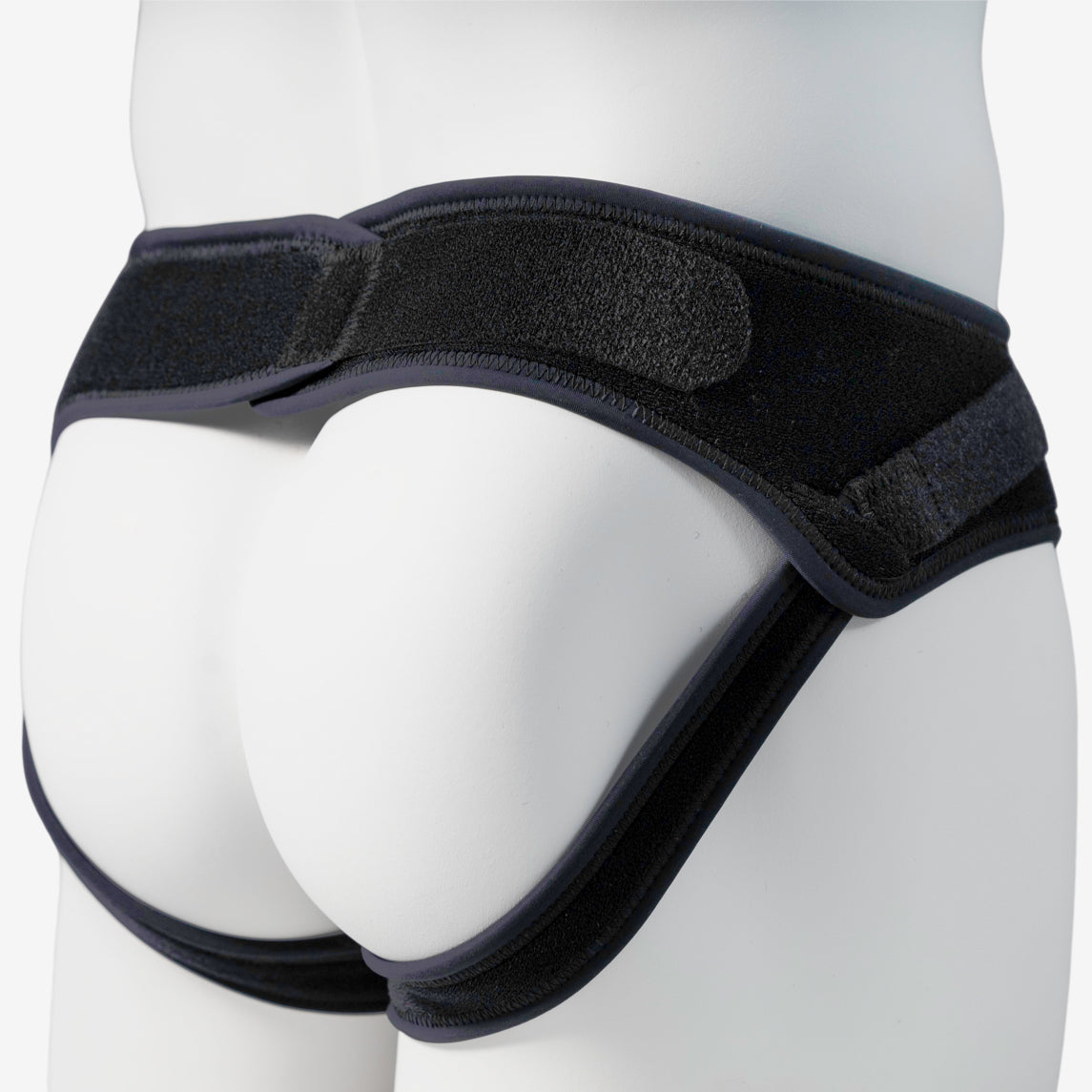
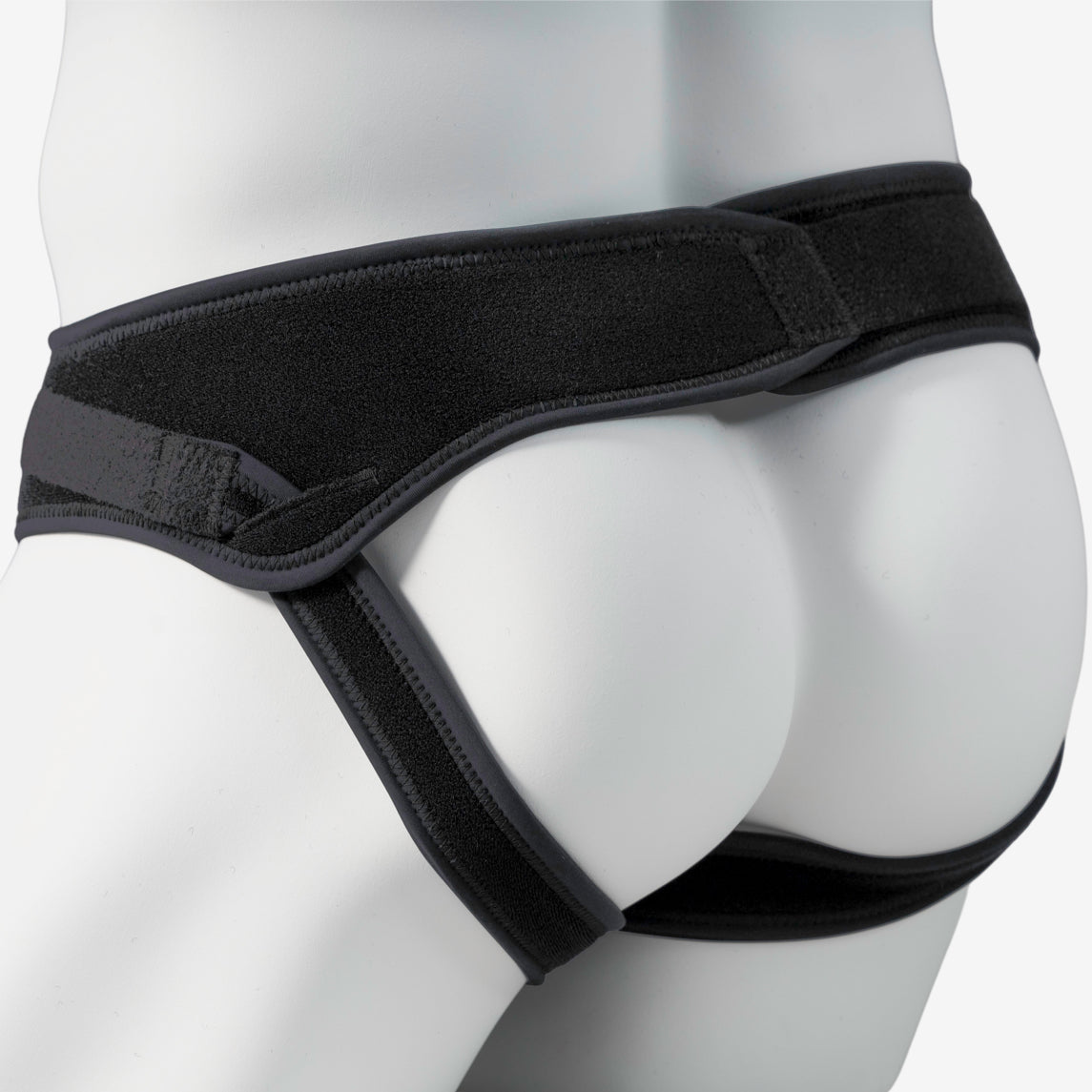
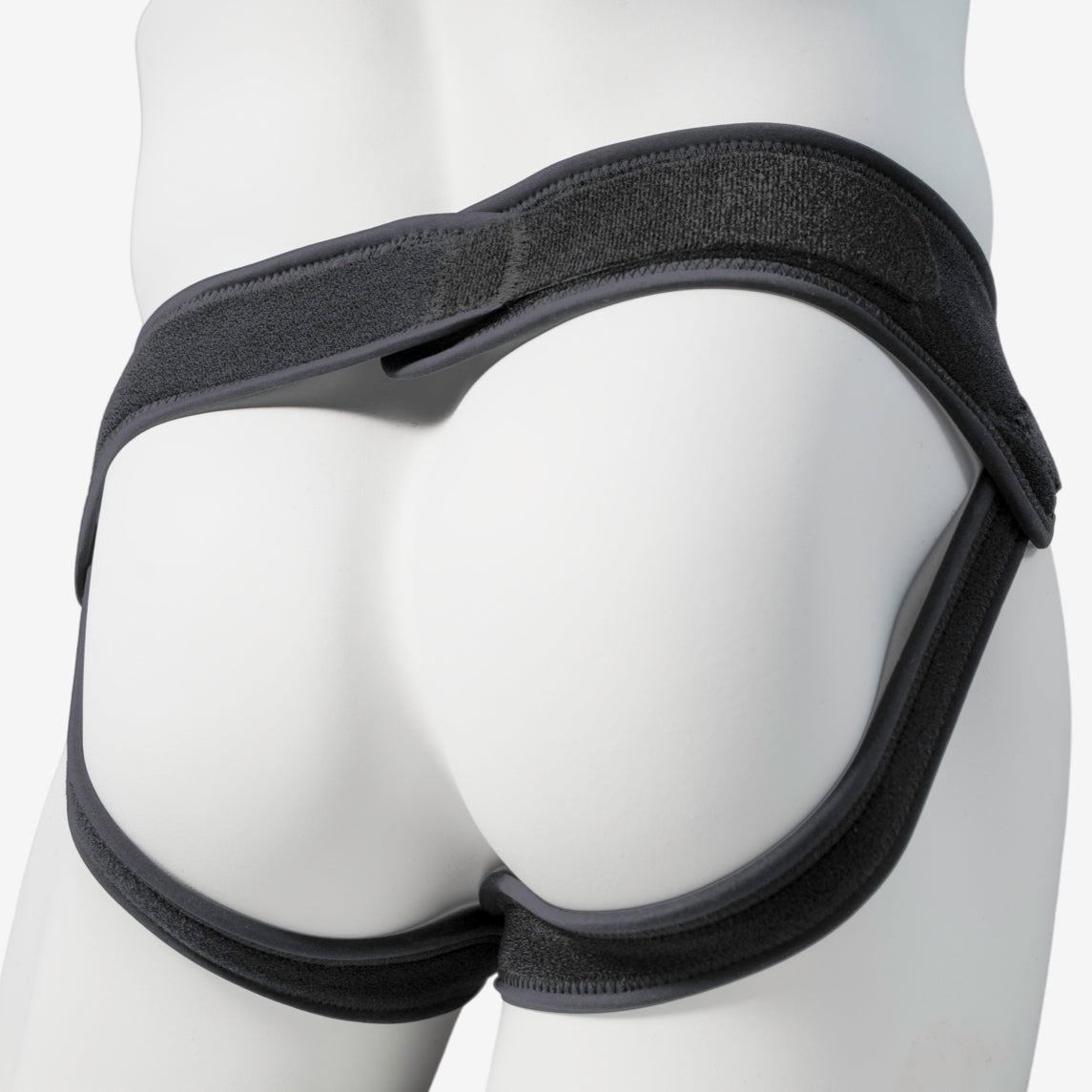
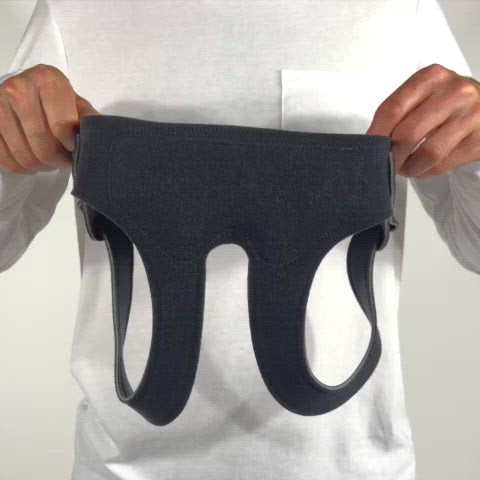
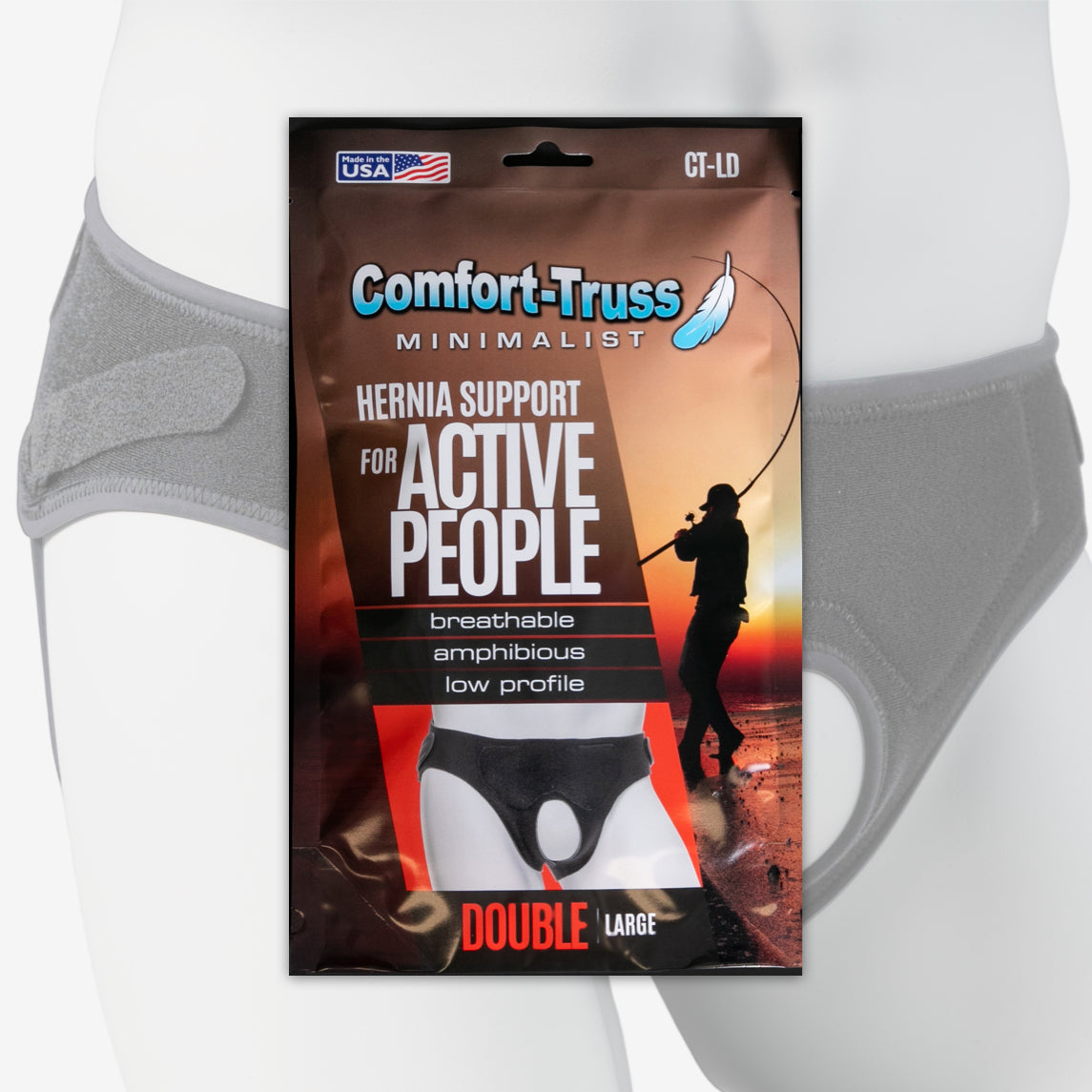
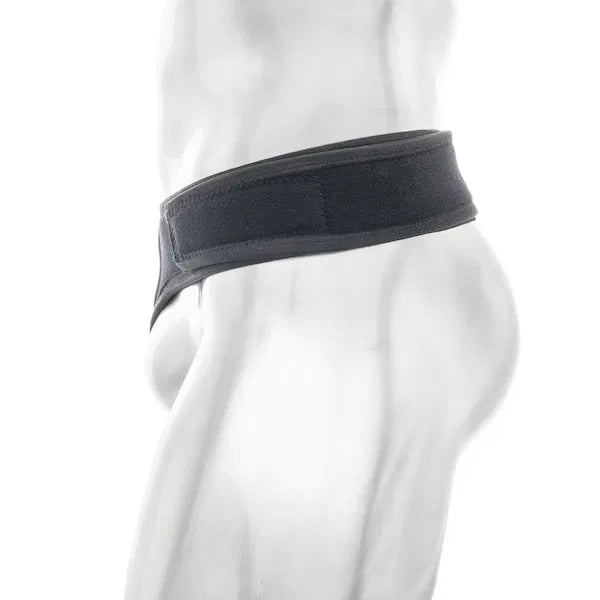
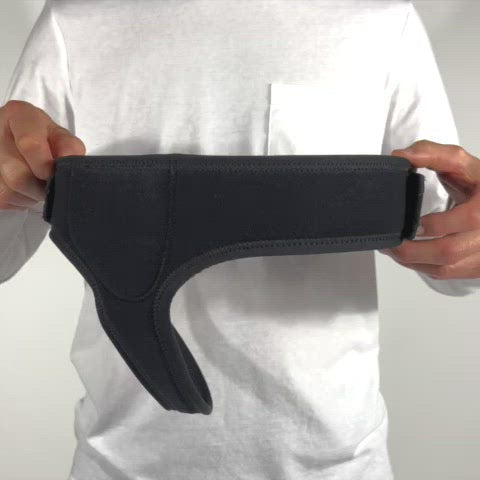
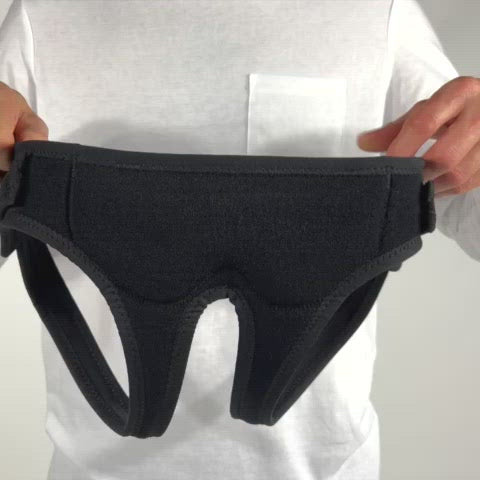
The Minimalist is made from 3mm material. It's thinner, softer, more flexible and about as low-profile as I could make a hernia belt while still providing the support I needed.
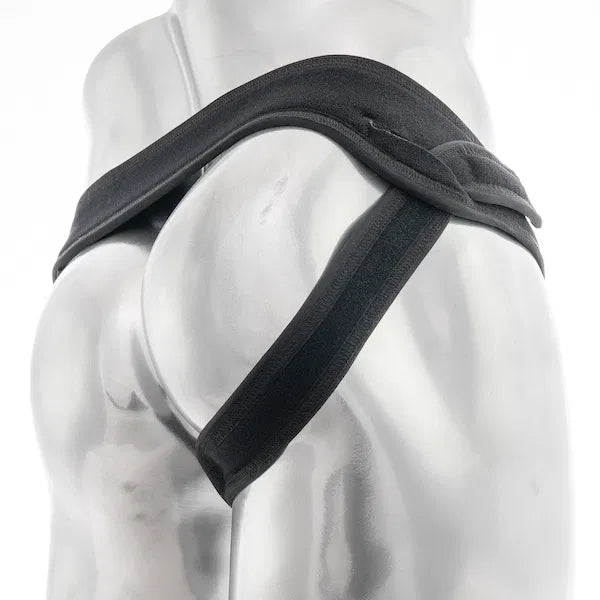
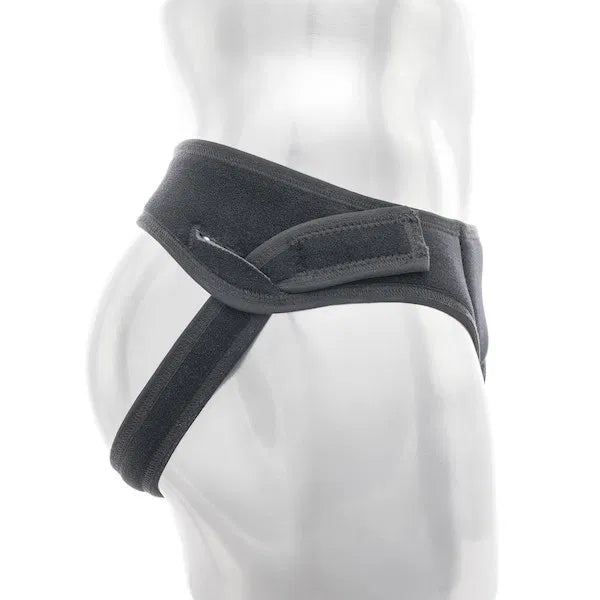
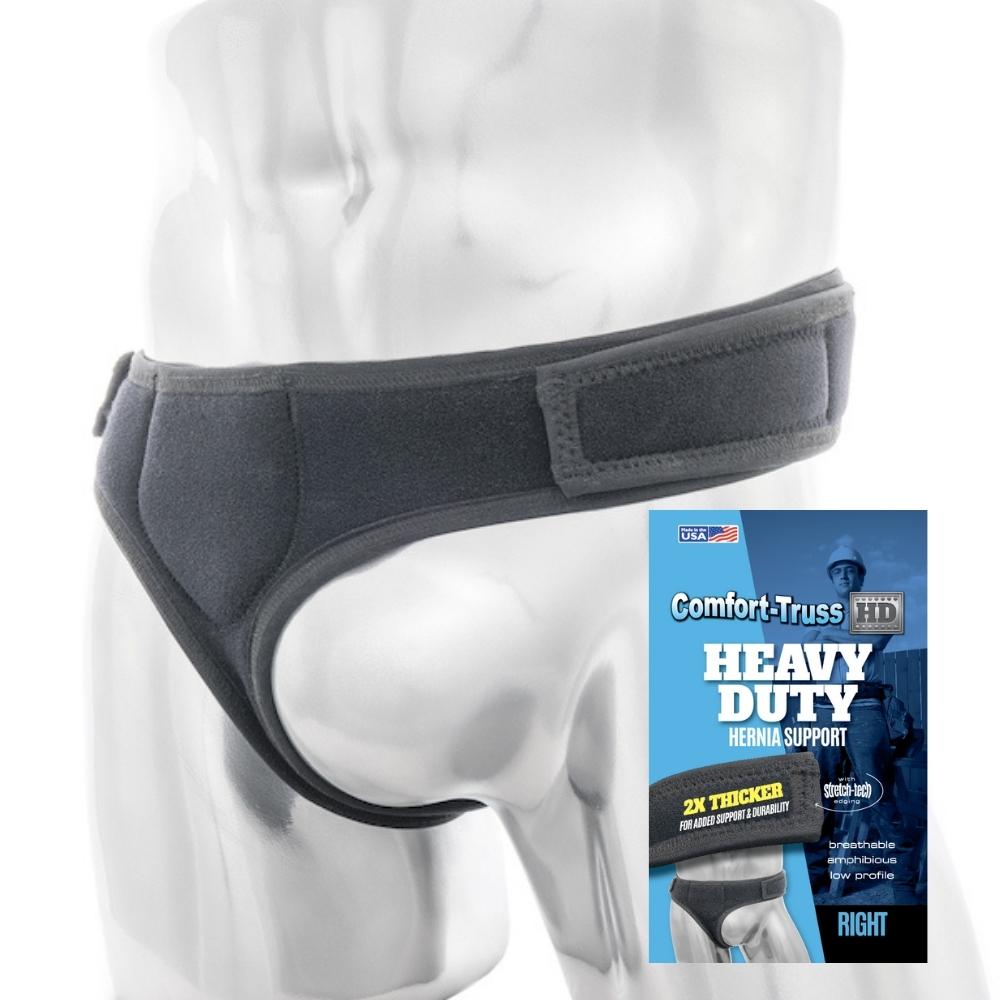
The Heavy Duty uses 6mm material. That thicker material stretches less and gives the belt more structure, allowing it to provide more pressure over the hernia site.
Both were designed around the same basic idea: keep the belt flexible, comfortable and low-profile enough that you can wear it against your skin and get on with your day.
If you'd like to compare all of the construction details side by side, you can also see our full Comfort-Truss hernia belt comparison.
When I recommend the Minimalist
The Minimalist is the original concept behind Comfort-Truss.
When I was dealing with my own inguinal hernia, I wanted the absolute minimum amount of belt necessary to keep my hernia reduced. I wanted something I could wear directly against my skin, underneath my clothes, while surfing, working out, or just going about my day without constantly thinking about it.
If your hernia is fairly soft and you can easily push it back in with your fingers, that's usually where I'd start.
- Your hernia is soft and easy to reduce.
- It doesn't take much pressure to keep it in.
- You want the thinnest, lowest-profile Comfort-Truss possible.
- You prefer the least amount of material while still getting the support you need.
Why I created the Heavy Duty
I originally designed the Minimalist around my own active lifestyle, and for me, it provided the support I needed.
But once I started selling Comfort-Truss, it became clear that everyone's hernia wasn't like mine.
For some people, the 3mm material simply didn't provide enough structure to hold their hernia back. Their hernia was firmer, there was more pressure behind it, or it just took more pressure to reduce and keep it contained.
That's why I developed the Heavy Duty.
The 6mm material gives the belt more structure and allows it to apply more pressure while still maintaining the flexible, low-profile design that Comfort-Truss was built around.
- Your hernia feels firmer to the touch.
- It takes noticeable pressure with your fingers to push it back in.
- You've had difficulty keeping it reduced with lighter support.
- You simply need more structure and pressure than the Minimalist provides.
Heavy Duty doesn't mean "for active people"
This is one distinction I think is important.
It's easy to see the name Heavy Duty and assume that's the belt you should choose if you work out, have a physical job, surf, run or do other demanding activities.
That's not how I look at it.
I originally created the Minimalist specifically because I wanted a belt that worked with my active lifestyle.
Your activity level isn't the main thing that determines which version I'd choose. Your hernia is.
If a Minimalist provides enough pressure to keep your hernia reduced, I don't see a reason to wear more belt than you need. If it doesn't provide enough structure, that's when the Heavy Duty starts to make more sense.
A simple way to decide
You don't need to classify your hernia as "mild," "moderate" or "severe" to use this rule.
Just pay attention to what you can actually feel when you reduce it.
Easy to push in → Minimalist
Takes more pressure to push in → Heavy Duty
That's a rule of thumb, not a guarantee. Every person's body and hernia are different. But after years of helping people choose between the two belts, it's a practical place to start.
Single or Double is a separate decision
Once you've decided between Minimalist and Heavy Duty, there's another choice: Single or Double.
That part is simpler.
If you have an inguinal hernia on one side, choose the Single Side belt.
If you have inguinal hernias on both sides, choose the Double Side belt.
You don't need the Double simply because you want more support. If you have a unilateral hernia that needs more pressure, that's what the Heavy Duty Single Side is for.
What about adding a thicker pad?
Pad thickness gives you another way to fine-tune the amount of localized pressure over the hernia site.
The standard pad works well for many people, but some people find that additional pad thickness helps provide the pressure they need to keep the hernia contained.
I wouldn't automatically jump to the thickest pad. The goal isn't to create as much pressure as possible. It's to use enough support to keep the hernia reduced comfortably.
The Heavy Duty also makes pad changes easier and is designed to accommodate the different Comfort-Truss pad thicknesses.
What if you're still not sure?
If you're stuck between the two, go back to the original question:
When you use your fingers to reduce your hernia, does it go back in easily, or do you have to apply a fair amount of pressure?
That tells me much more than whether you exercise, how physical your job is, or whether you think your hernia is "big."
And if you're still unsure, contact us and tell us what you're experiencing. We help people make this decision all the time.
Minimalist or Heavy Duty? Start with the support you actually need.
I designed Comfort-Truss around a pretty simple philosophy: I don't want you thinking about your hernia all day, and I don't want you thinking about the belt you're wearing either.
For some people, the Minimalist is all they need. It's thin, flexible and gives them enough support to keep their hernia reduced.
Other people need more structure, and that's exactly why the Heavy Duty exists.
The goal isn't to choose the strongest belt. It's to choose the amount of support your hernia actually needs.
Find the Comfort-Truss that fits your situation
Compare the Minimalist and Heavy Duty models, then choose Single or Double based on whether your hernia is on one side or both.
About the author: I'm George Hirst, founder of Comfort-Truss. Comfort-Truss came out of my own experience dealing with an inguinal hernia and being frustrated with the hernia belts that were available. What started as a belt I made for myself eventually became the product we've now been making for more than 10 years.
Medical note: This article shares general information and my experience helping people choose between Comfort-Truss products. It isn't intended to diagnose or treat a medical condition. Seek medical attention for significant or changing symptoms, or whenever you have concerns about your individual situation.
George Hirst
George Hirst is the creator of the Comfort-Truss hernia belt and the voice behind its blog. As an athlete determined to continue living an active life without surgery, and frustrated by the lack of comfortable, functional options after his own hernia diagnosis, he developed a solution that could keep up with an active lifestyle. His writing draws on deep personal experience, insights from a large community of hernia sufferers, and a commitment to helping others manage their condition without giving up the activities they love.