


The Best Low Profile Hernia Belt for Everyday Wear. What Works and What to Avoid.

Most hernia belts are bulky, uncomfortable, or impossible to hide under regular clothes. If you have ever tried to wear a traditional truss under jeans or a fitted shirt, you already know the problem. Thick elastic bands. Raised seams. Bulky pads. Hard edges that print through your clothing and remind you all day that you are wearing a medical device.
A low-profile hernia belt solves all of that. A belt that disappears under your clothes and gives reliable support is not only possible. It is essential if you want to stay active and live your normal life without constant discomfort or self-consciousness.
This guide explains what makes a hernia belt truly low profile, what features to avoid, and how to choose a belt that stays hidden and comfortable during long hours of daily wear.
If you want a complete breakdown of every type of hernia belt and how they compare, you can read my full guide here: Best Inguinal Hernia Belt Guide.
What Makes a Hernia Belt Truly Low Profile
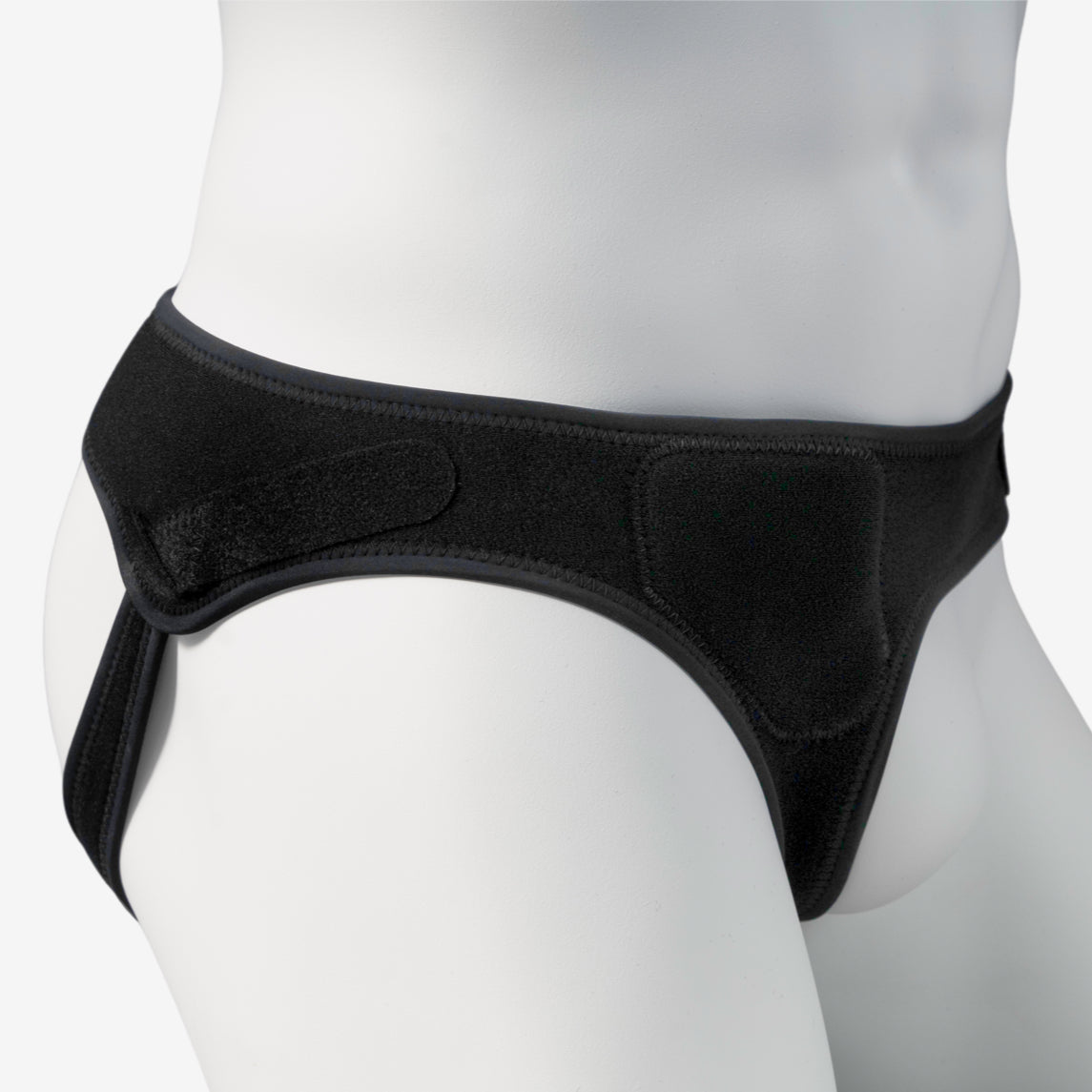
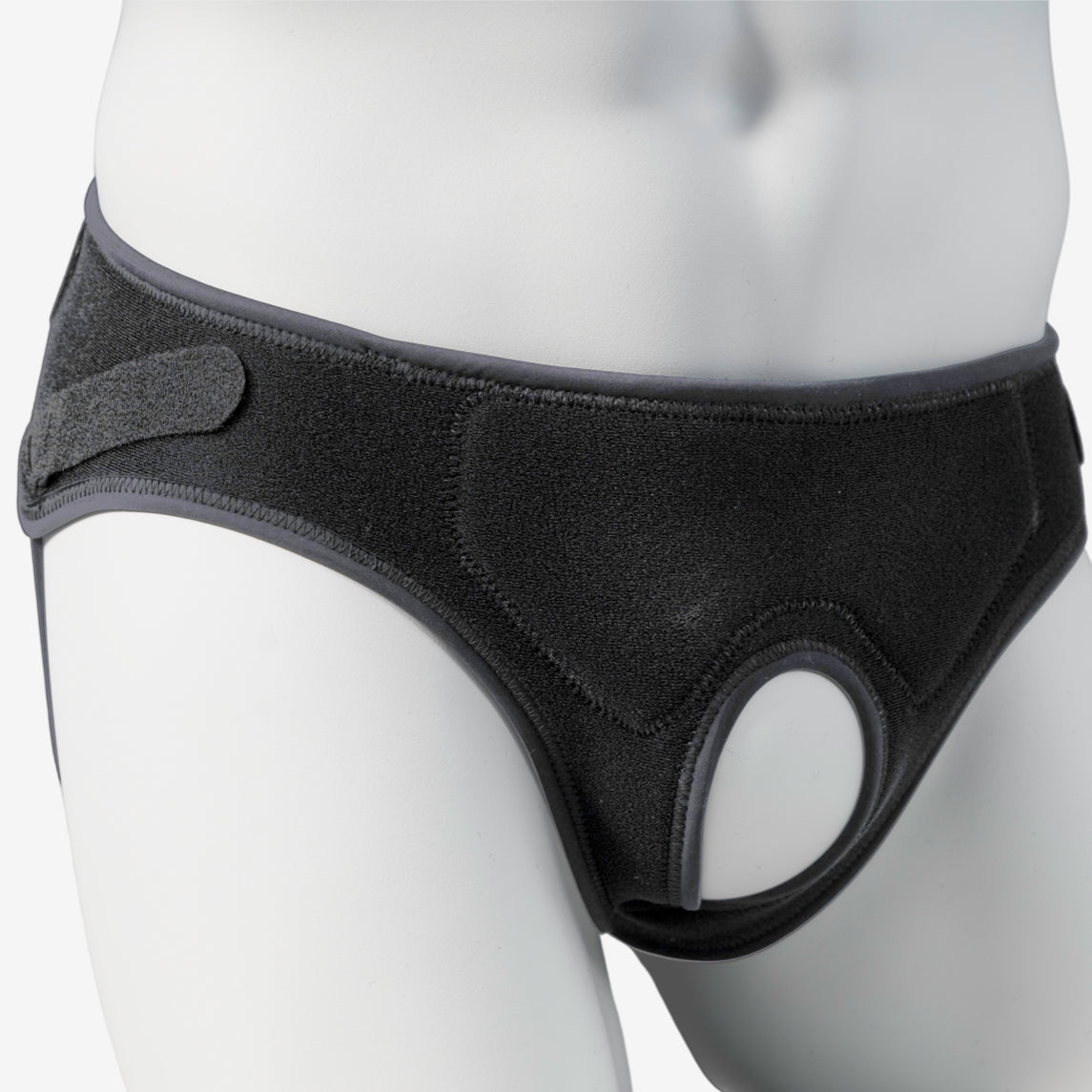
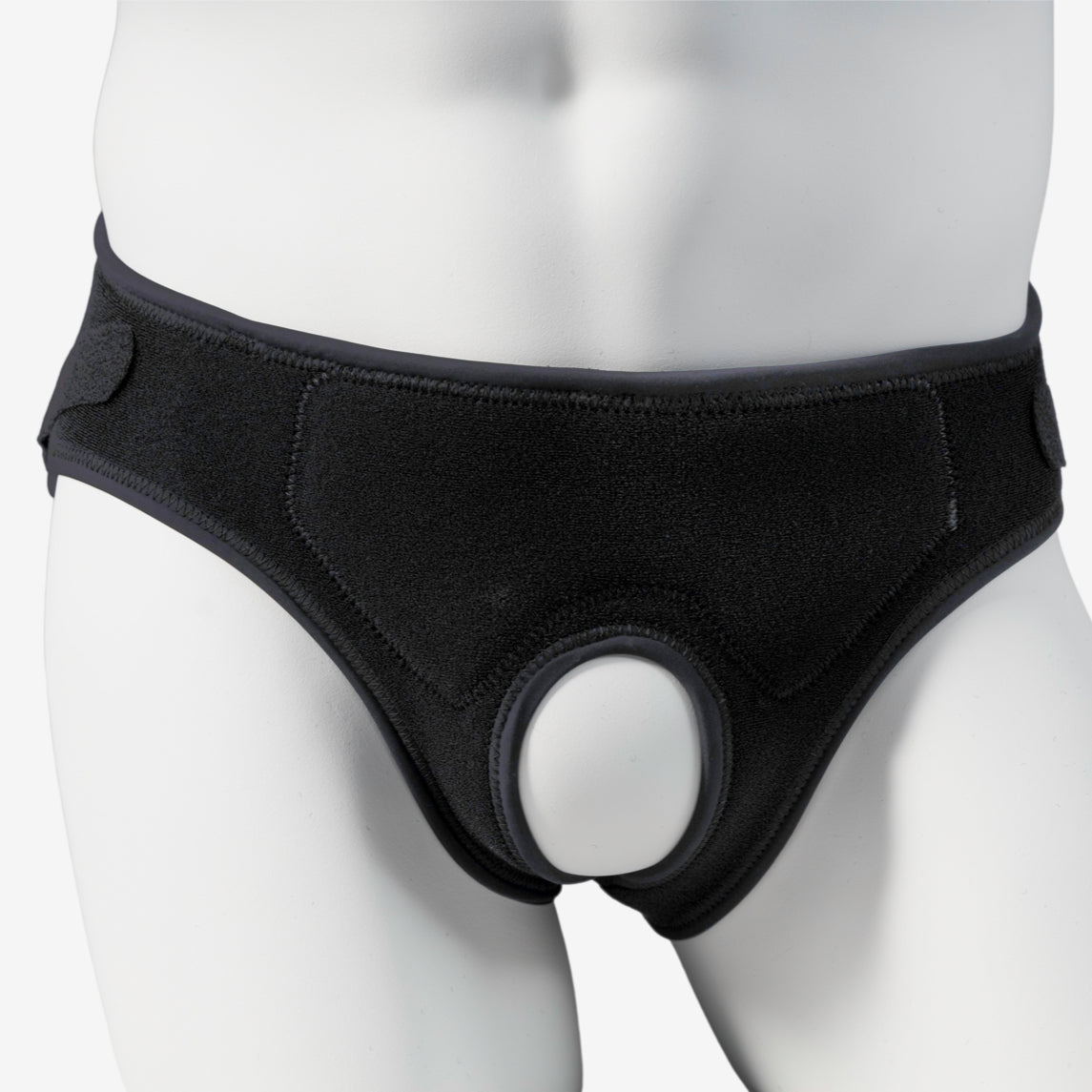
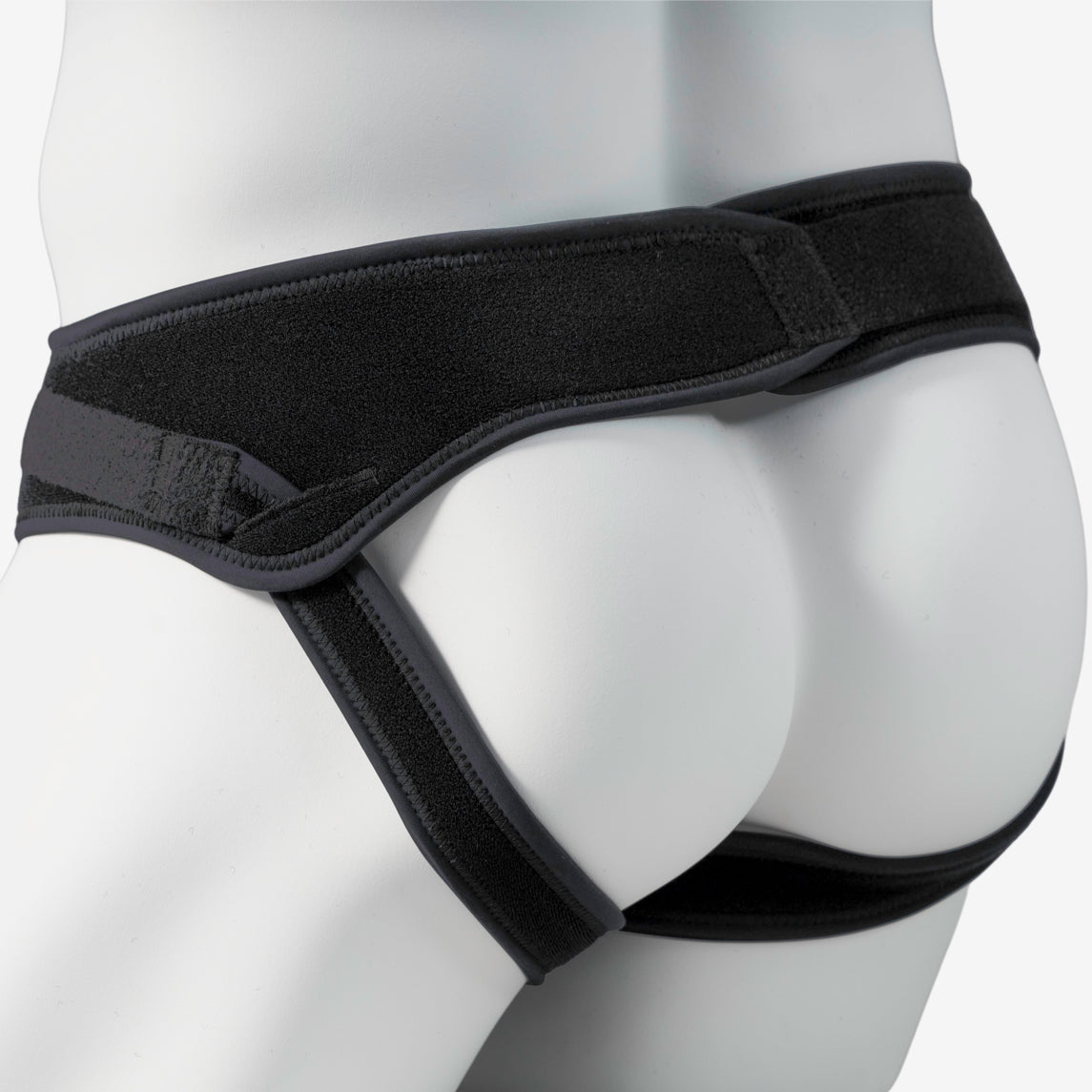
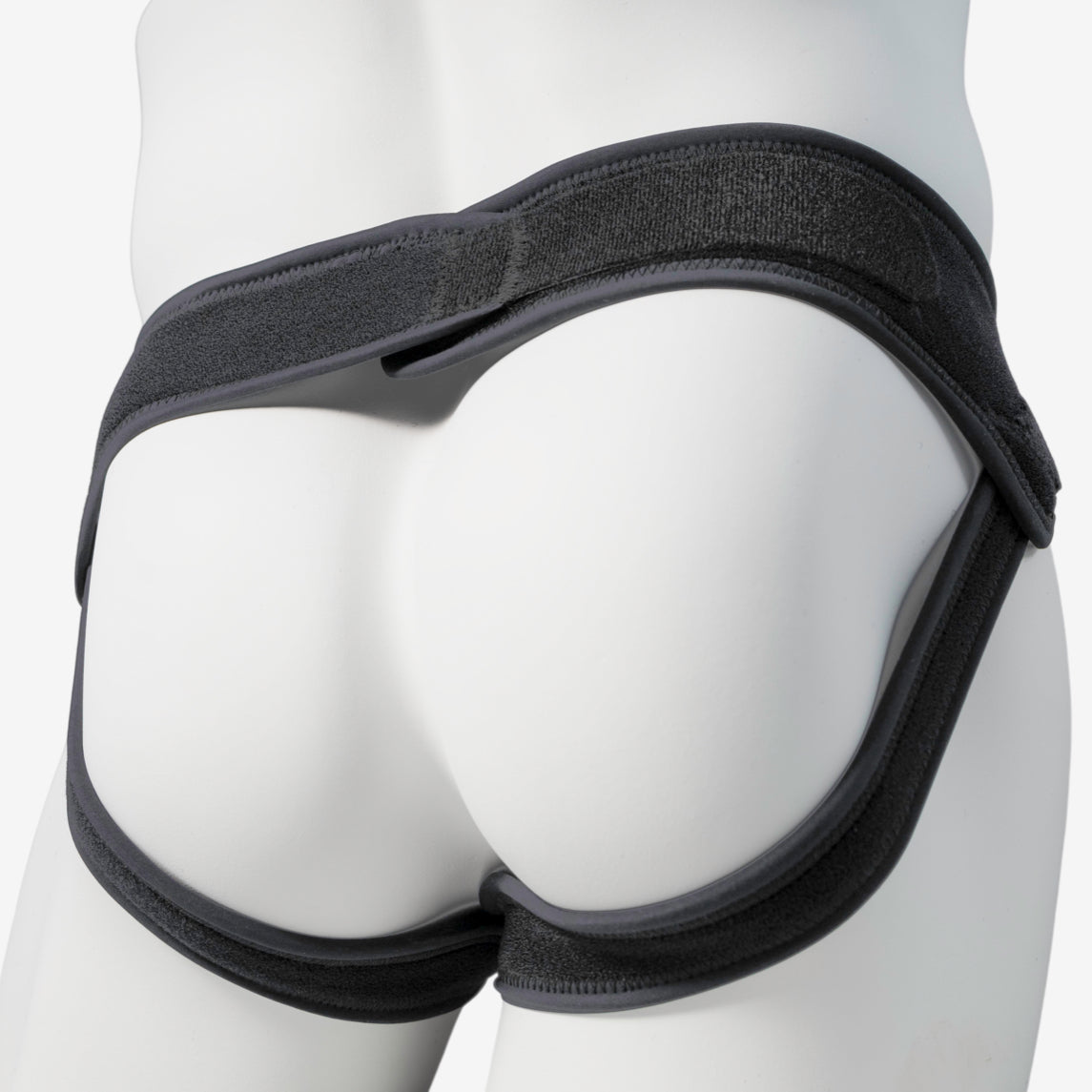
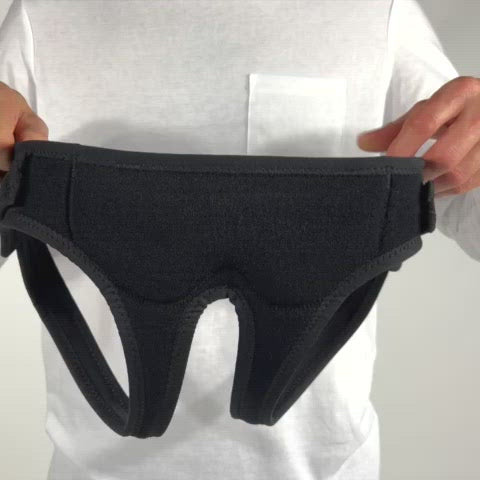
A real low-profile belt is not just thin fabric. It has to sit flat against your body, stay comfortable when you move, and remain invisible even under lightweight or fitted clothing. This comes down to a combination of smart design choices.
A low-profile belt should have.
- Soft, breathable material that lies flat and does not bunch or curl.
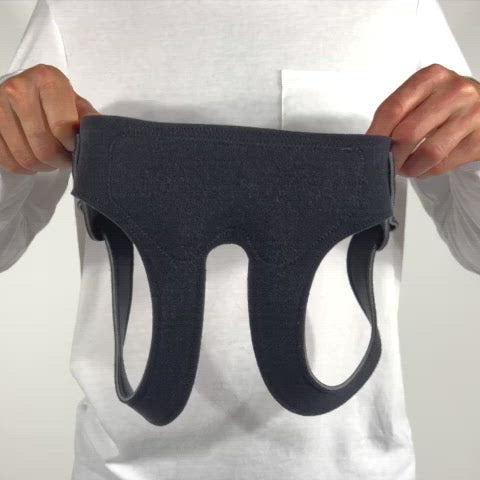
- A slim support pad that provides targeted pressure without bulk.
- Flat edges that do not leave visible ridges through your clothes.
- Flexible material that moves with you instead of fighting against your body.
- Minimal binding so the belt does not create height or thickness at the edges.
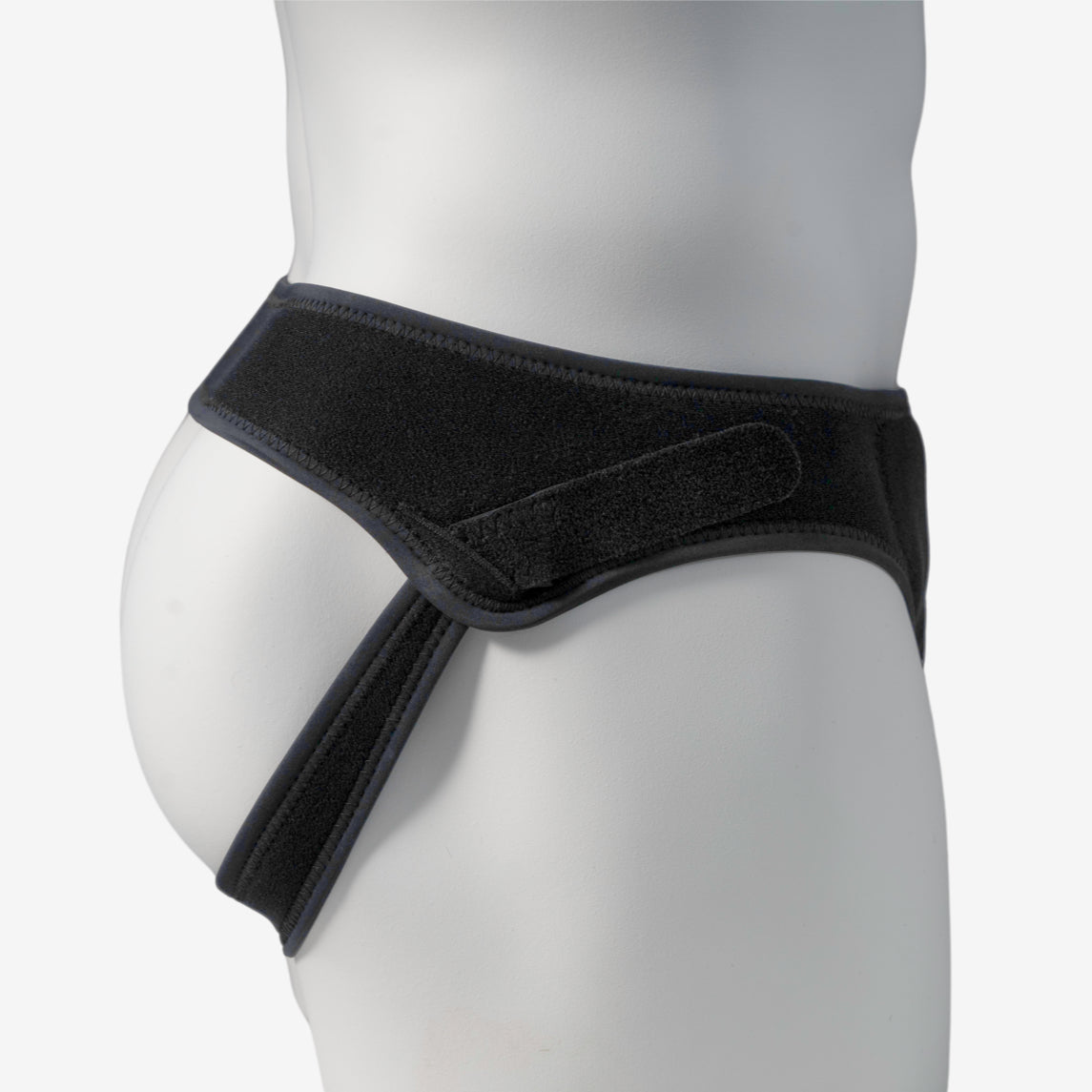
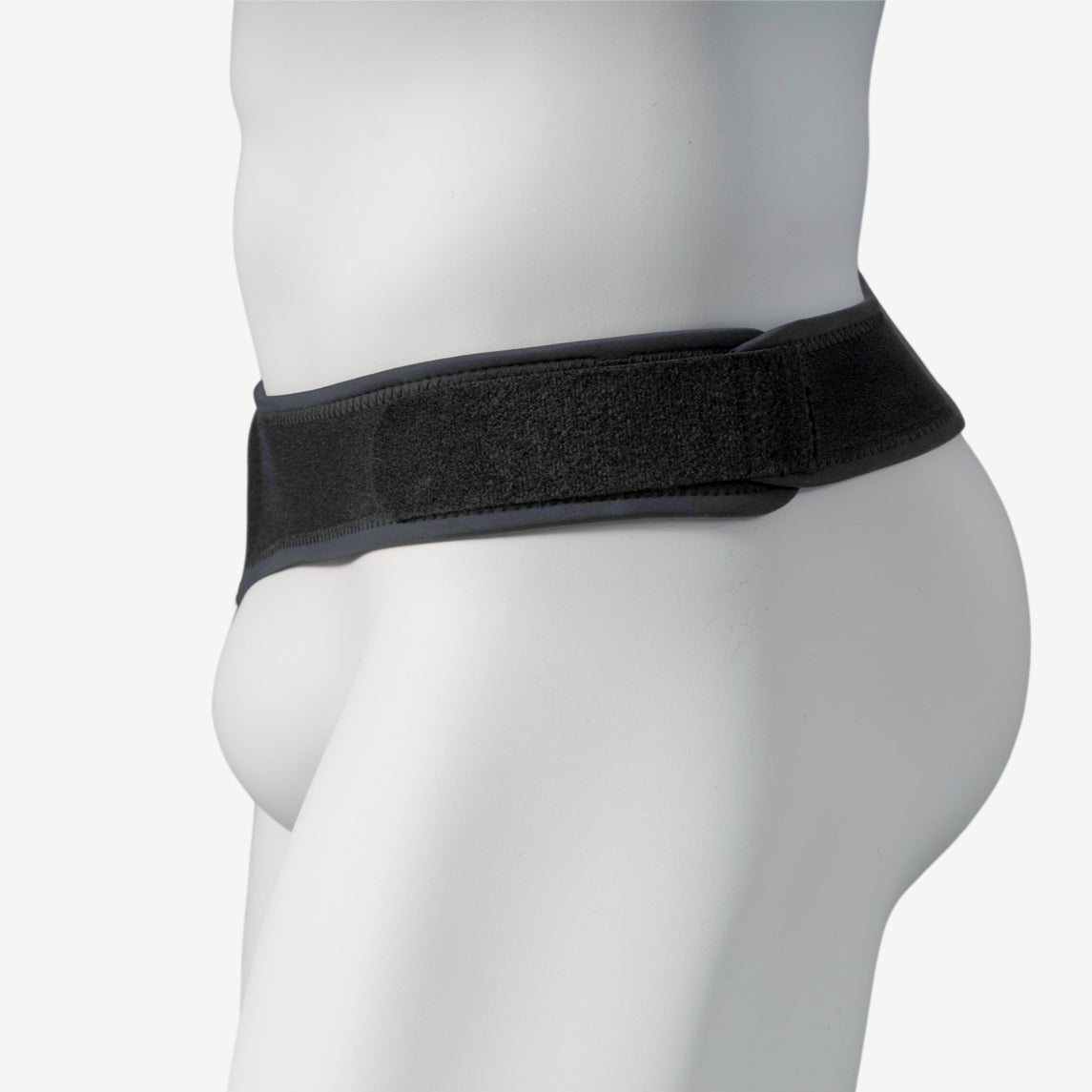
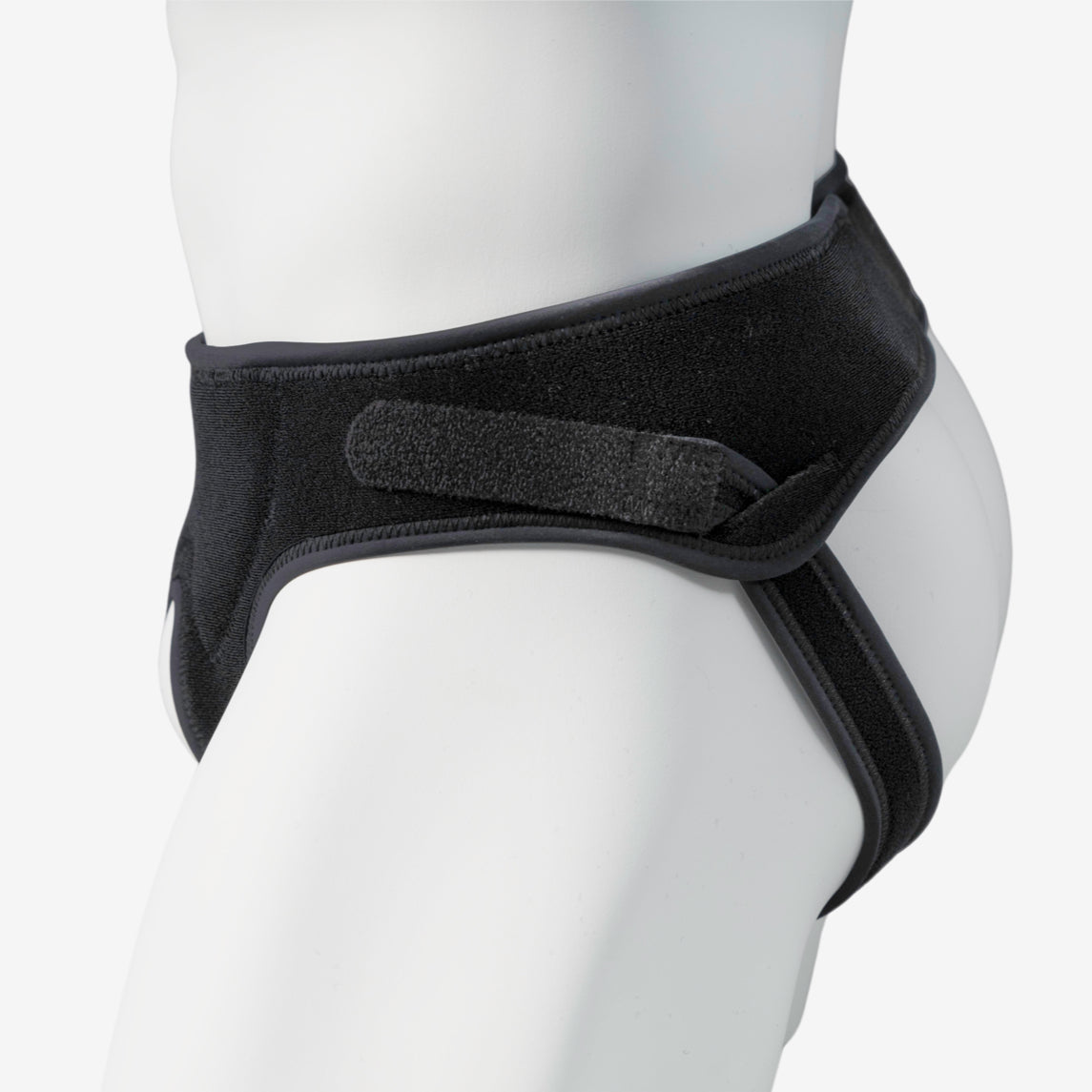
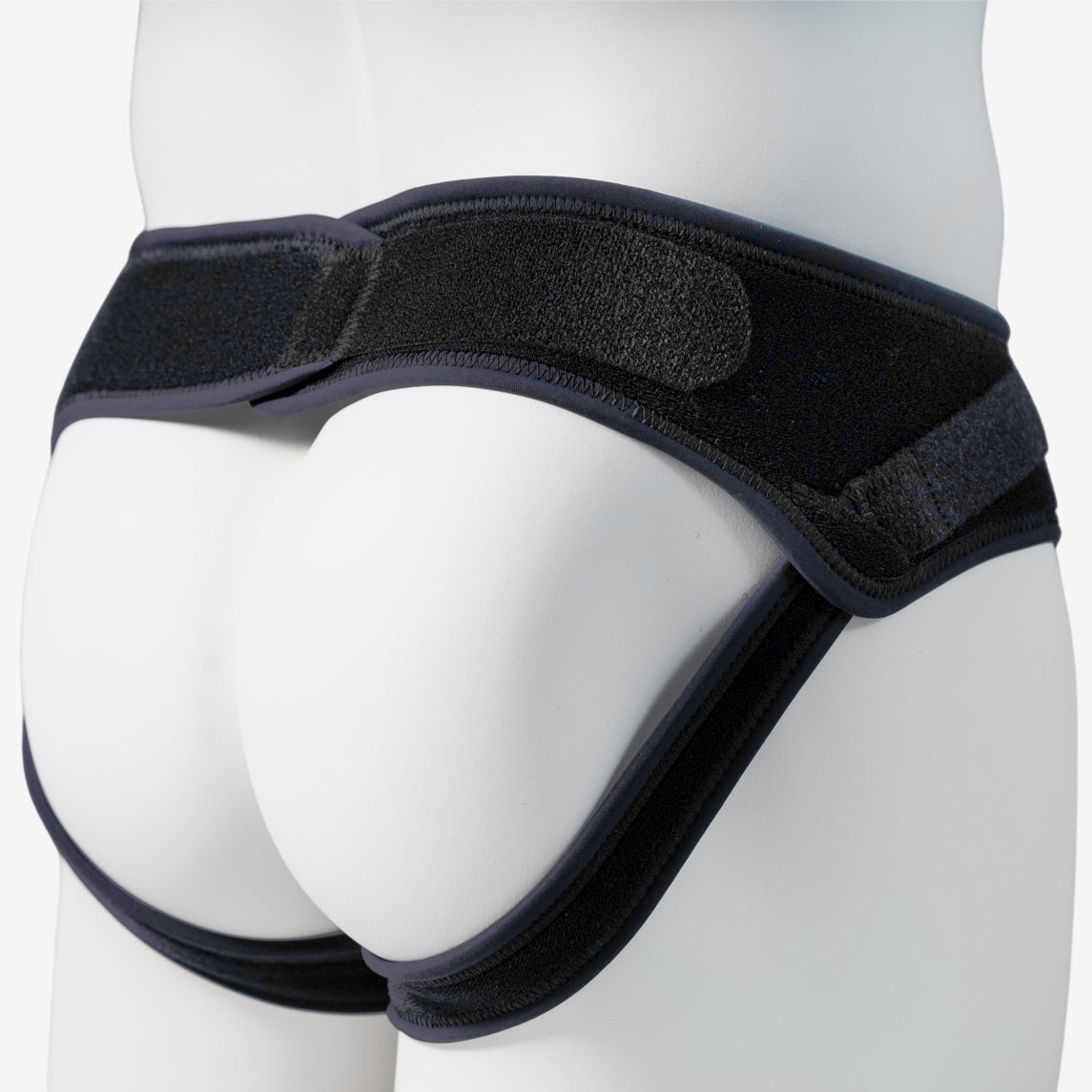
- A closure system that does not stick out or create lumps.

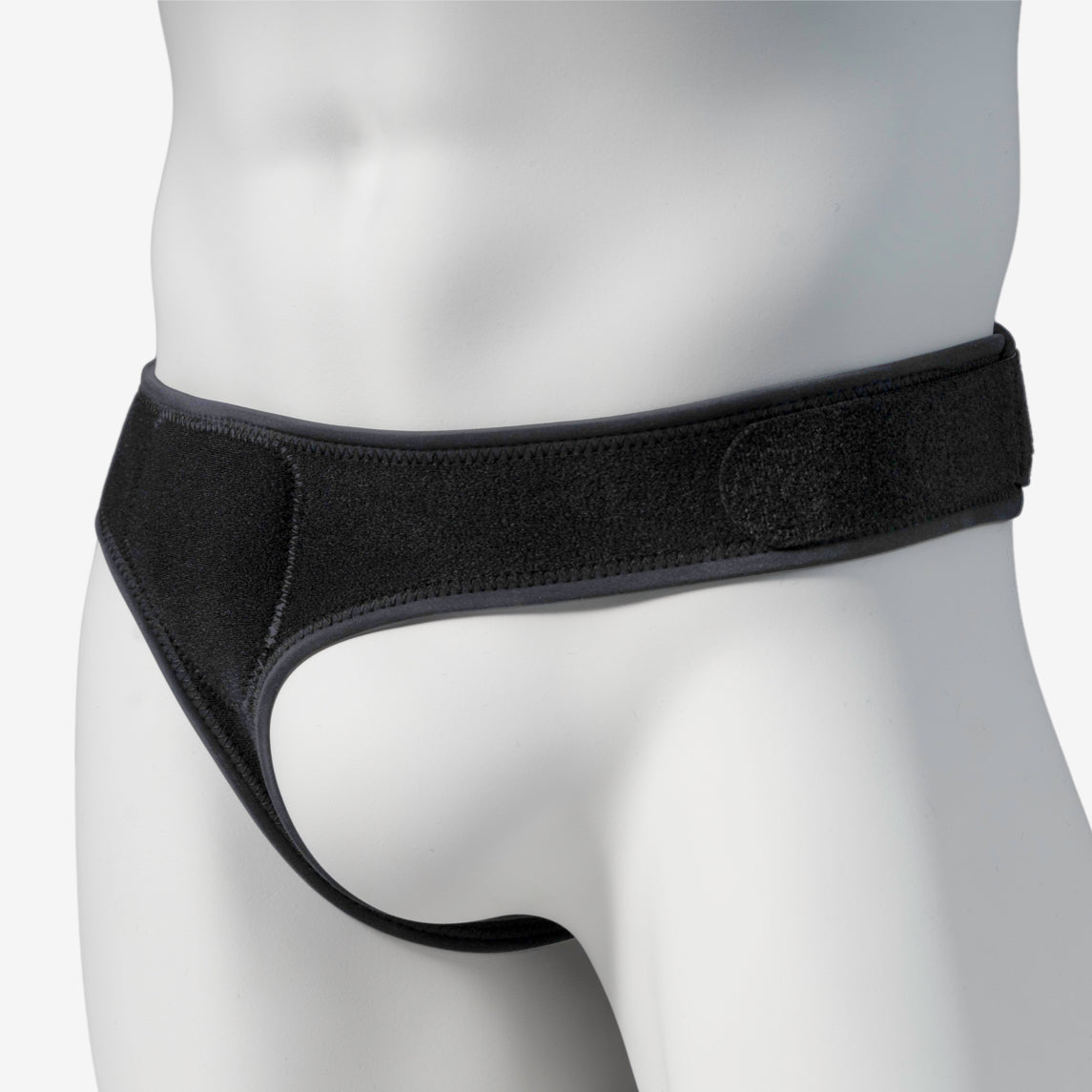
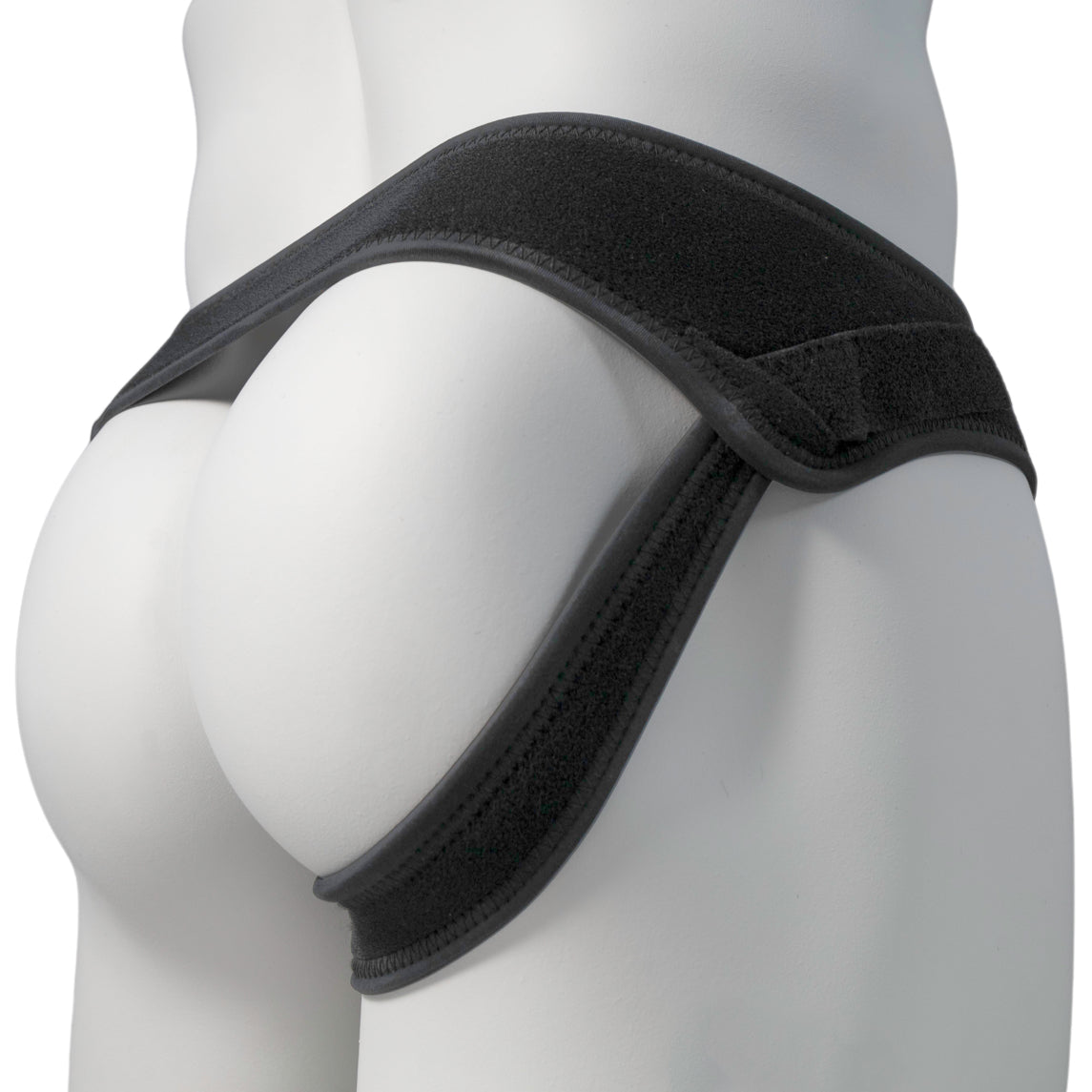
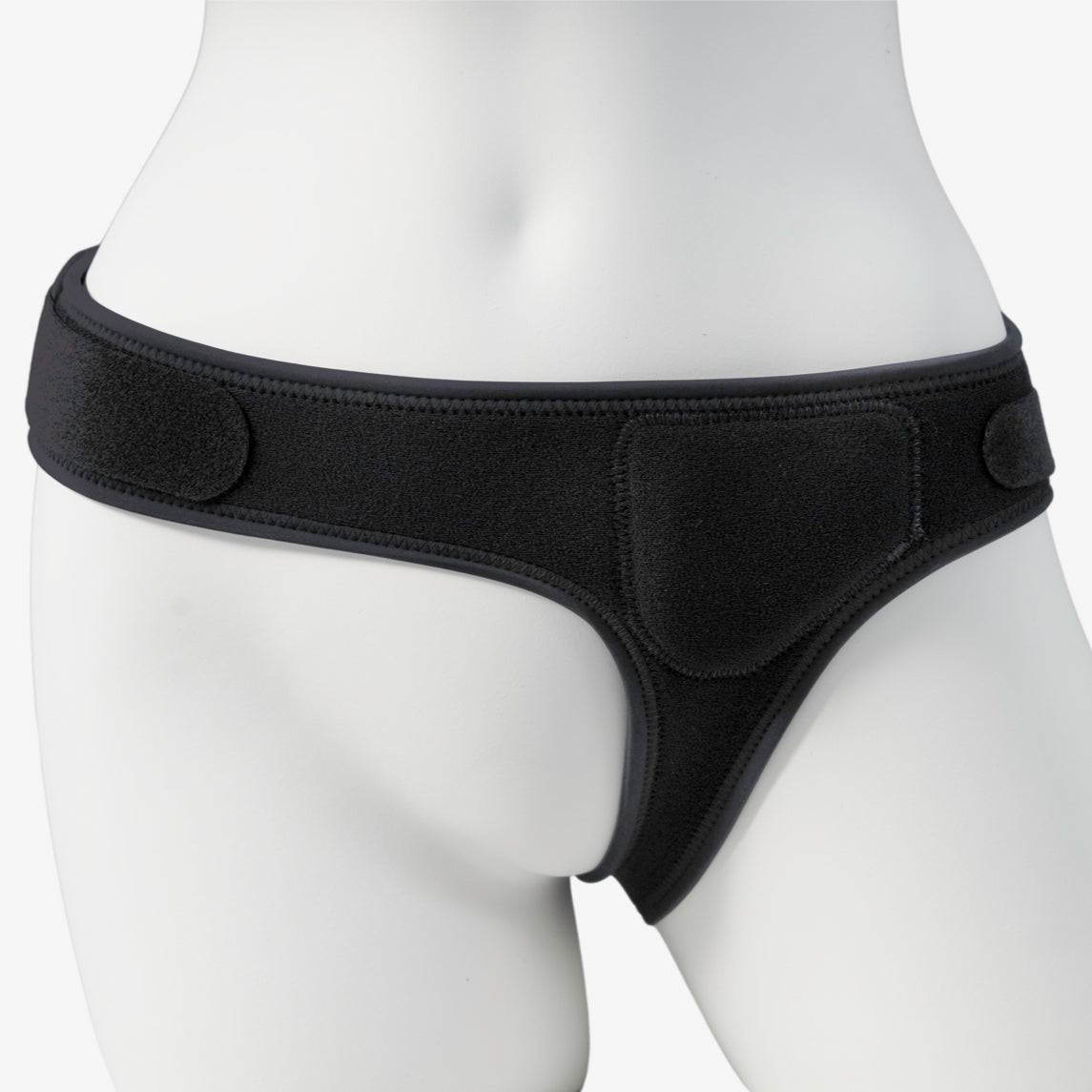
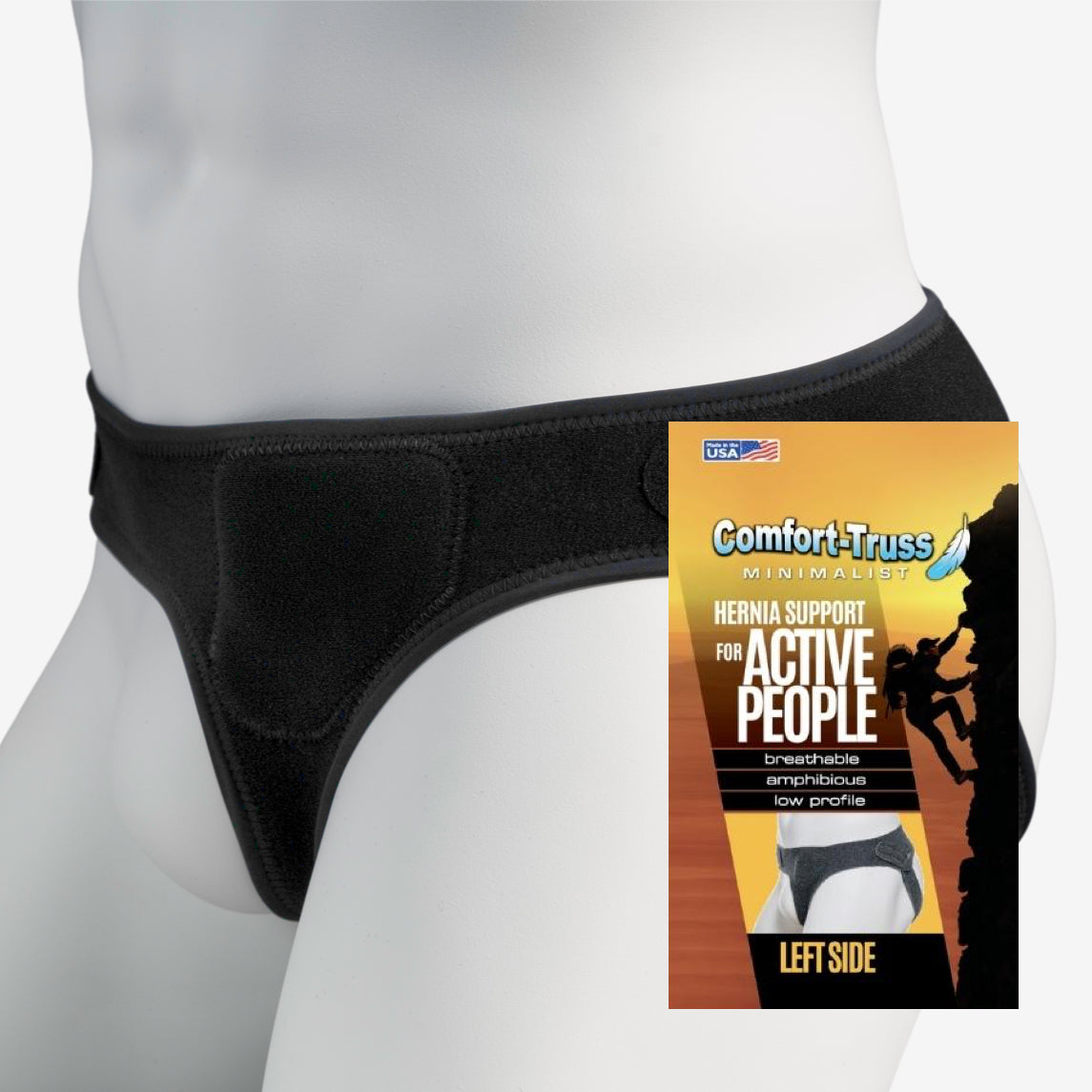
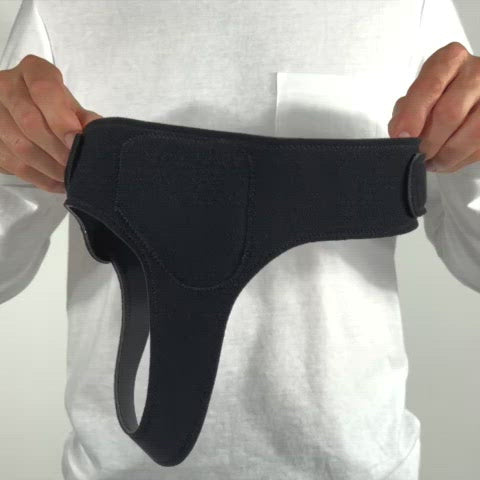
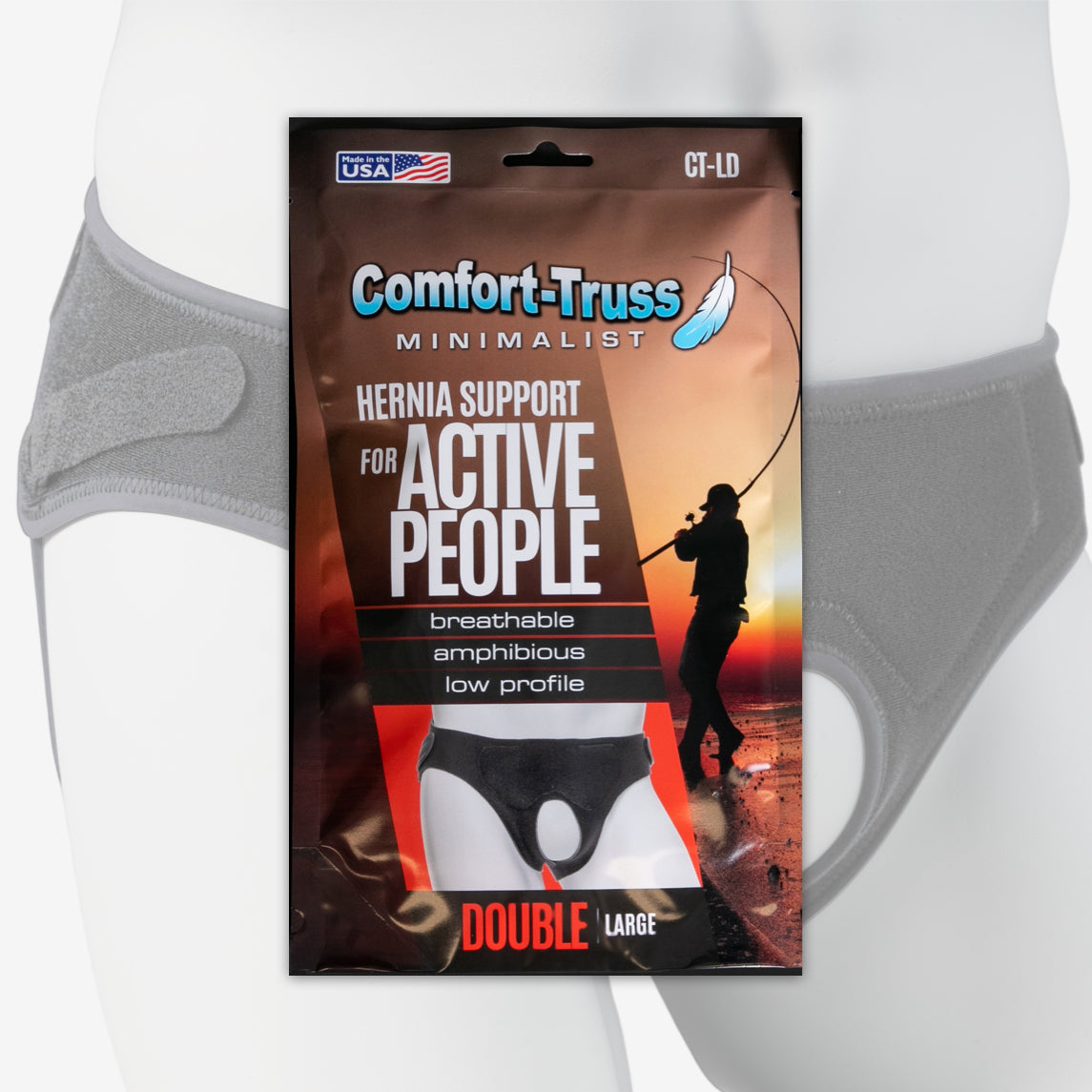
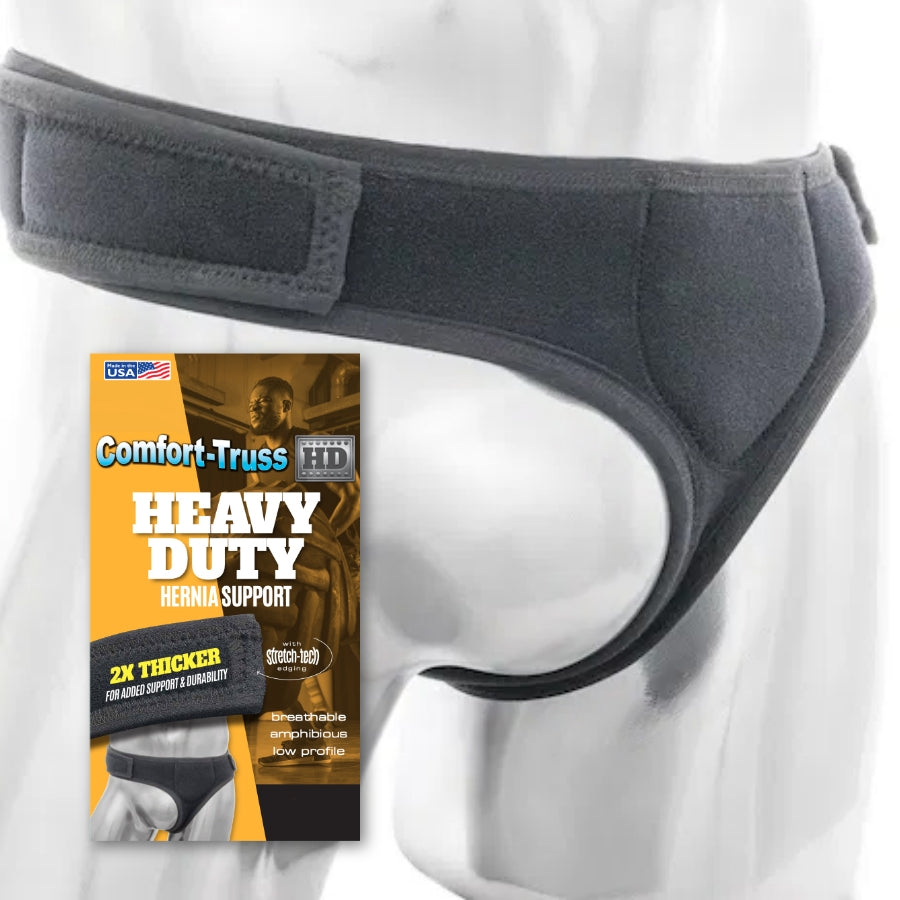
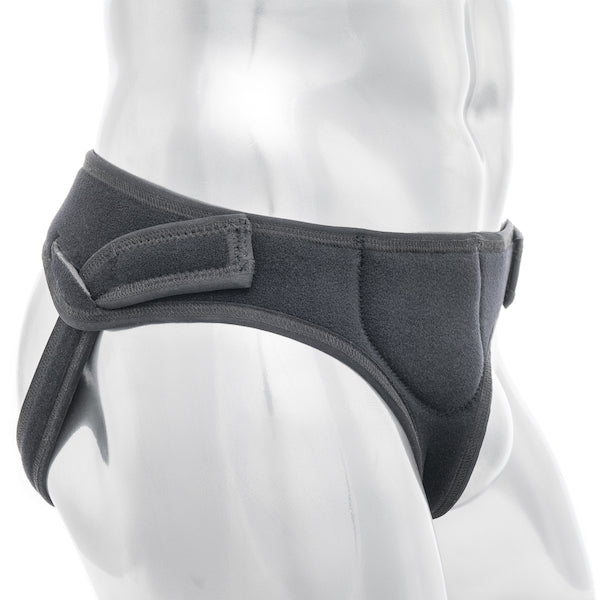
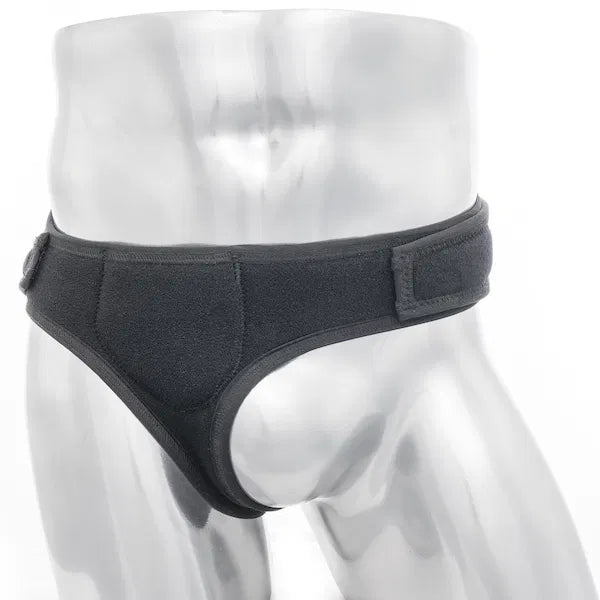
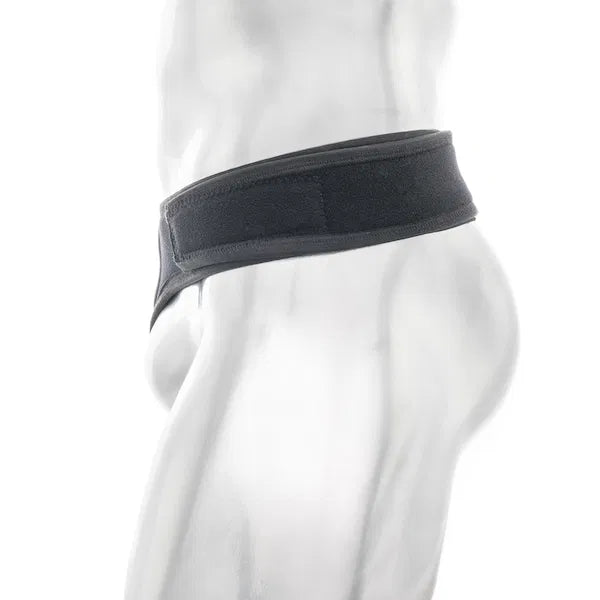
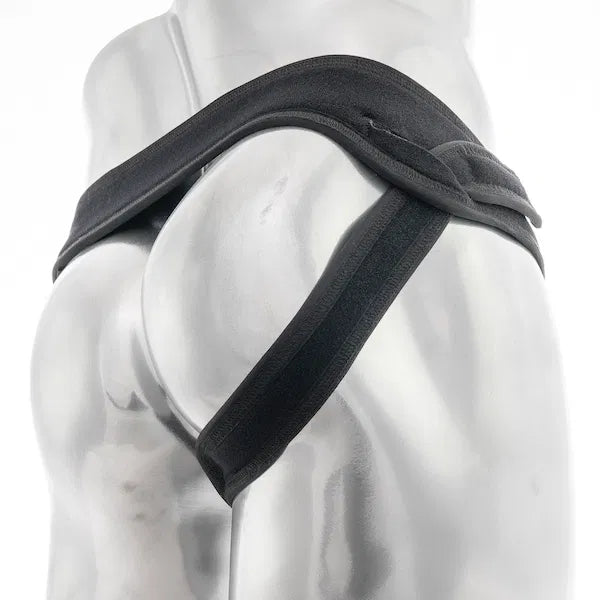
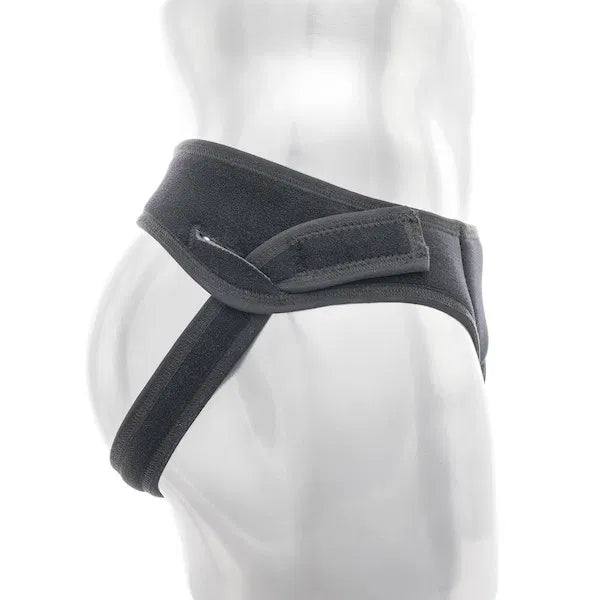
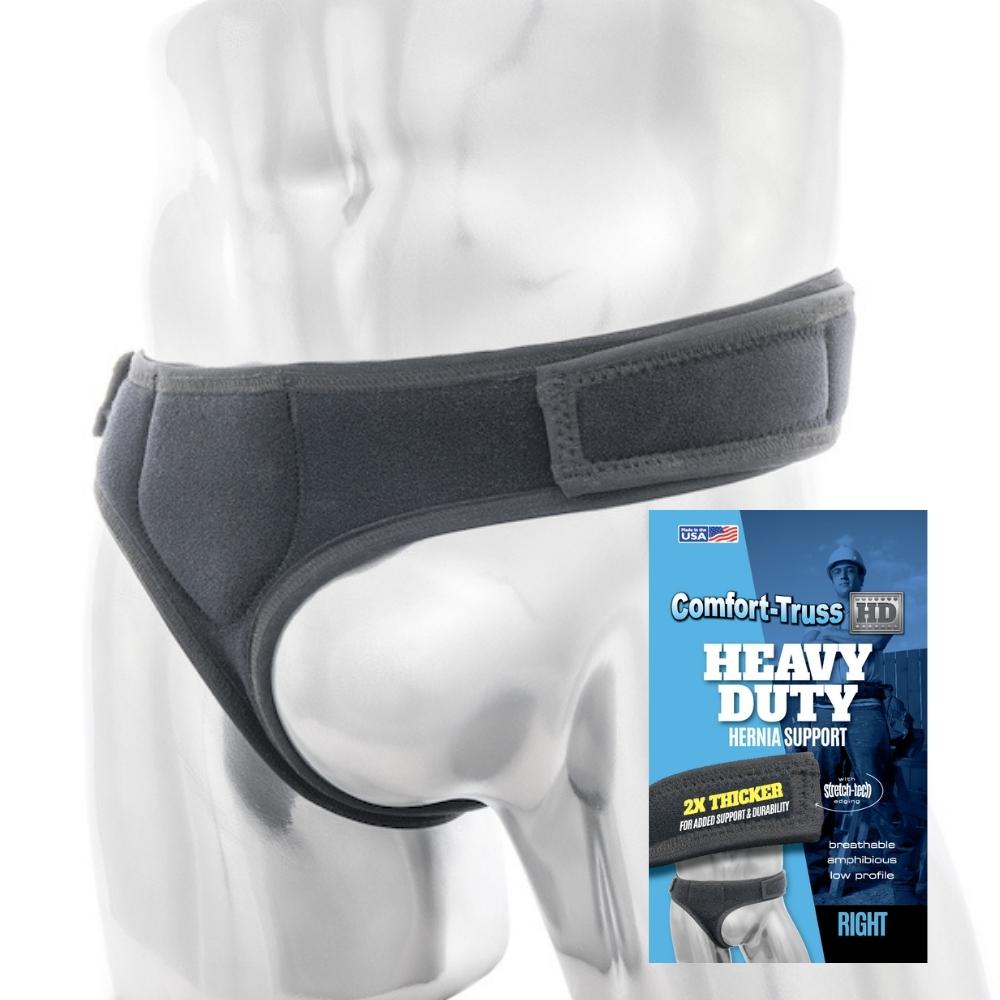
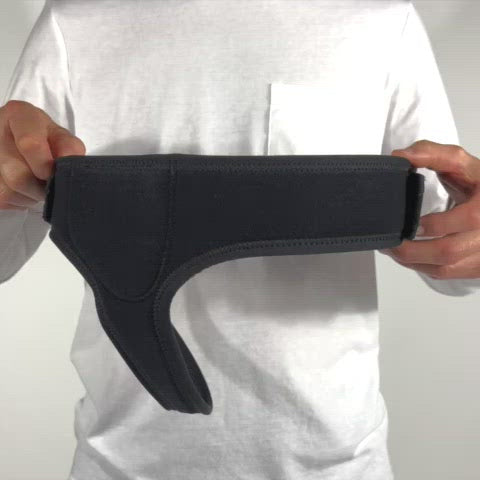
This is exactly why I created the Comfort Truss Minimalist Hernia Belt. It was engineered from day one to stay invisible under shorts, jeans, and even slim-fit dress pants.
Why Traditional Hernia Belts Stand Out. And Not in a Good Way.
Most trusses and support belts on the market cause frustration because they are built with old-style materials and outdated design philosophies. They try to create support by adding more bulk. More padding. More elastic. More straps.
That creates several problems.
- Thick elastic bands push outward and print through jeans and shorts.
- Bulky pads that sit high off the body create visible bumps under clothing.
- Hard binding digs into the skin and becomes uncomfortable long before the day ends.
- Hardware like metal rings or hard plastic supports shows clearly under tight shorts or a wetsuit.
- The entire belt becomes something you notice every time you sit, stand, or walk.
Even if the belt technically supports the hernia, you will not want to wear something that feels like a bulky truss from the nineteen sixties.
The Key Features You Should Look For in a Low Profile Belt
Choosing the right belt comes down to choosing a modern design. A belt built around comfort, stealth, and real-world movement. Look for these features.
- A thin, flexible support pad that still provides firm, directed pressure.
- Soft and breathable materials that feel comfortable for long hours of wear.
- Minimal seams that avoid creating visible lines through clothing.
- A low-friction backing that stays in place without rubbing or irritation.
- A closure system that sits flat instead of sticking outward.
- A strap width that provides stability without creating bulk.

I have tested Comfort Truss designs while surfing, riding dirt bikes, working out, and moving through full days of normal activity. Over the years, I learned that low profile does not mean weak. Low profile simply means the belt is designed correctly.
Can a Low Profile Hernia Belt Still Give Enough Support
Yes. Absolutely. Support does not come from thickness. It comes from precise placement and stable pressure.
A well designed low profile belt holds the hernia in comfortably with a thin pad that is shaped and positioned exactly where it needs to be. Because the material stays close to the skin, the belt remains stable and does not shift during movement. This is why a minimalist approach often provides better support than a bulky pad that moves around throughout the day.

A properly engineered low-profile hernia belt like the Comfort Truss Minimalist provides direct, reliable support for an inguinal hernia while staying almost invisible under your clothing.
Frequently Asked Questions About Low Profile Hernia Belts
What is the lowest profile hernia belt I can wear under regular clothes?
A true low-profile belt sits flat against your body, does not show through jeans, and stays comfortable during movement. Traditional trusses use thick pads and heavy elastic that create obvious lines under clothing. The Comfort Truss Minimalist uses a slim, flexible support pad and a breathable fabric that lies completely flat. This is why people often say it disappears under shorts, jeans, and even fitted dress pants.
Can a hernia belt stay invisible under tight clothing?
Yes. A belt will stay invisible only if it avoids bulk in every part of the design. The Minimalist version has no thick binding, no buckles, and no raised edges. The fabric hugs your body instead of stacking layers of material. This is what makes it ideal for anyone who wears fitted pants or prefers a clean silhouette.
Is a low-profile belt strong enough to support an inguinal hernia?
Yes. A thin belt can absolutely provide firm support when it is designed with the right pressure placement. Comfort Truss uses a specifically shaped support pad that stays positioned directly over the defect while remaining thin and flexible. You get strong, consistent support without the bulky feeling of a traditional truss.
Final Thoughts. Choose Comfort, Discretion, and All-Day Wearability.
For daily life, a hernia belt should feel natural and stay out of the way. A low-profile design gives you the freedom to work, move, train, and go through your day without worrying about visibility, discomfort, or shifting.
Avoid belts that rely on outdated, bulky padding or thick elastic. Modern belts should be discreet, flexible, and supportive enough for real activity.

If you want the lowest profile everyday wear hernia belt I have ever designed, you can take a look at the Comfort Truss Minimalist Hernia Belt.
George Hirst
George Hirst is the creator of the Comfort-Truss hernia belt and the voice behind its blog. As an athlete determined to continue living an active life without surgery, and frustrated by the lack of comfortable, functional options after his own hernia diagnosis, he developed a solution that could keep up with an active lifestyle. His writing draws on deep personal experience, insights from a large community of hernia sufferers, and a commitment to helping others manage their condition without giving up the activities they love.